Jamaican Food in Denver: A Complete Restaurant Guide
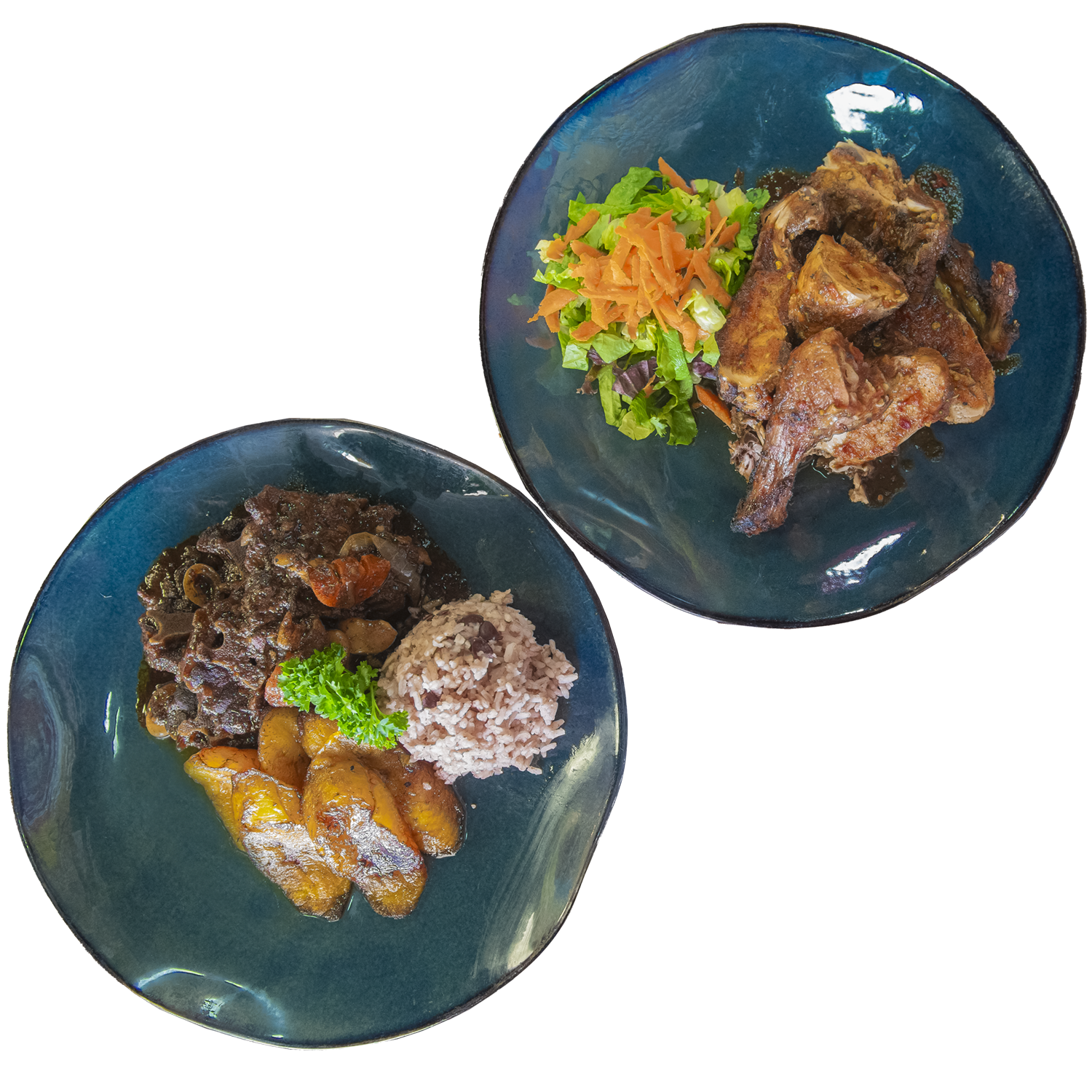
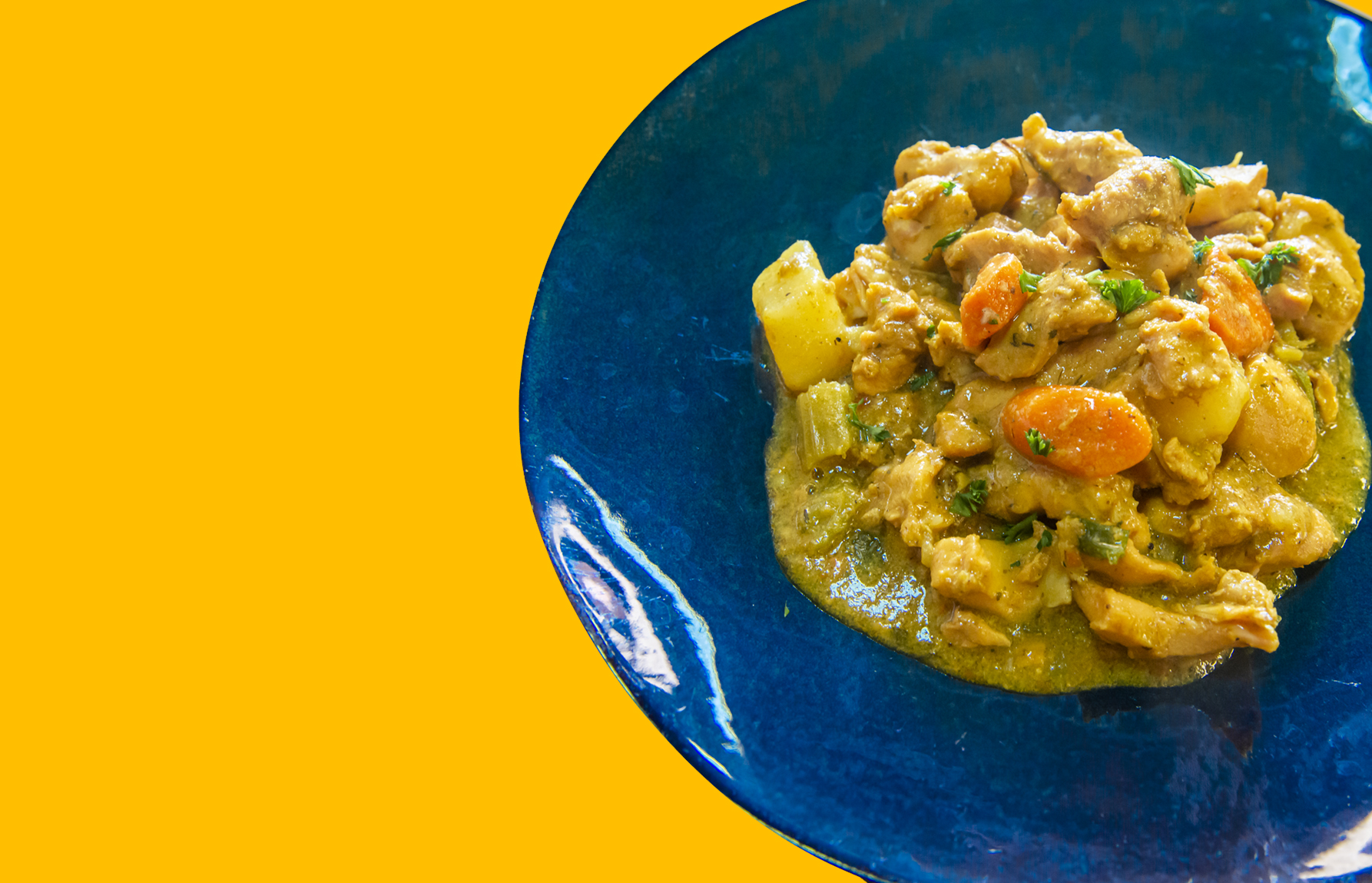
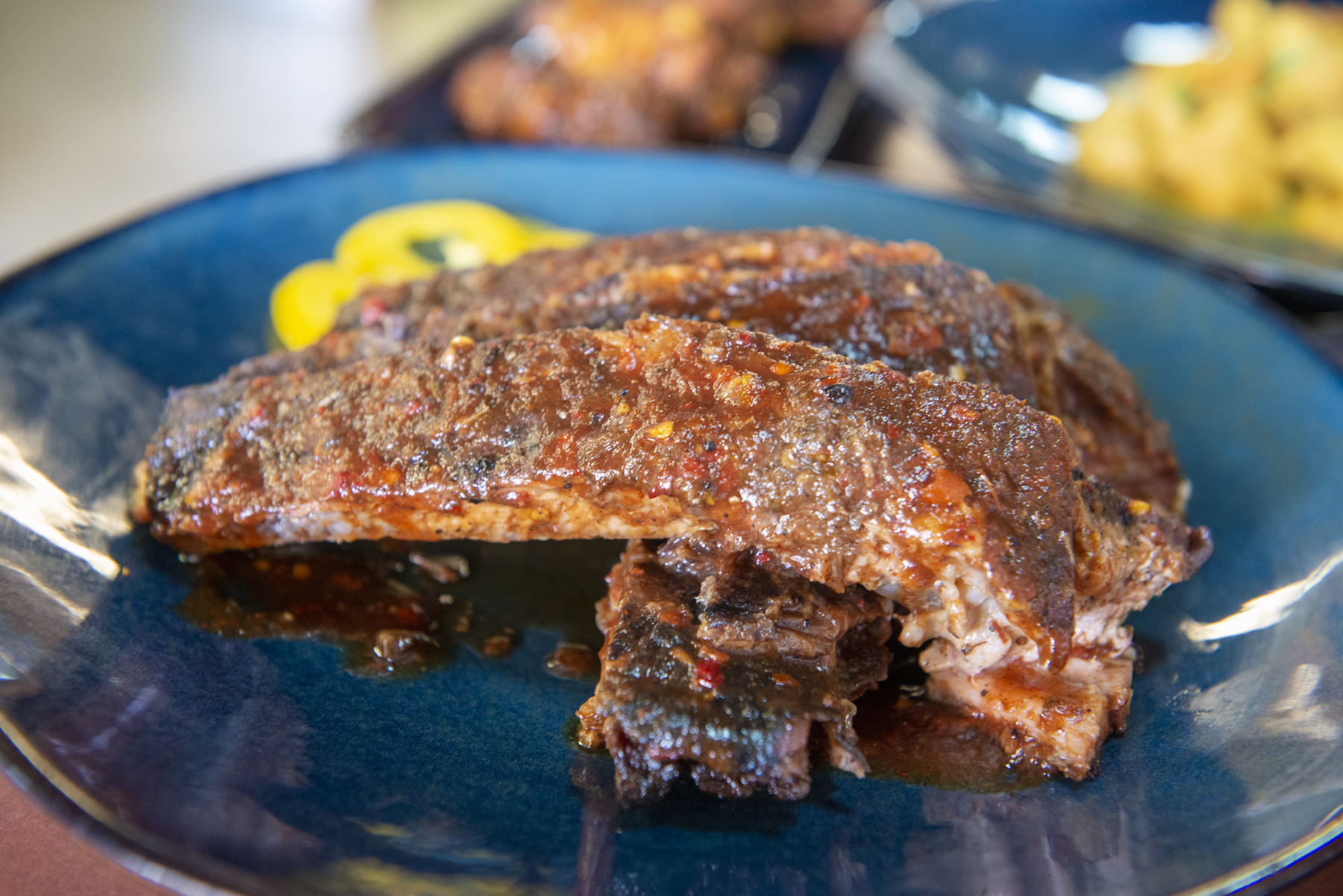
Denver is not the first American city people name when they talk about Jamaican cooking, and that is exactly why the local search takes a little more care. The scene here is smaller, more scattered, and often folded into broader Caribbean menus rather than presented as a big standalone category. Still, if you know what to look for, you can eat very well.
The best approach is not to hunt for a single perfect restaurant and call the job done. Jamaican food in Denver tends to show up in a few different forms: dedicated Jamaican spots, Caribbean restaurants with a Jamaican core, food trucks, catering businesses that also serve regular meals, and short-run pop-ups that build loyal followings through word of mouth. Some of the strongest meals come from places that do not spend much energy on polished branding. They put it into the food.
That matters because Jamaican cooking is not just about heat or smoke, though both can play a role. It is about balance. Scotch bonnet brings sharp, fruity fire. Allspice and thyme bring depth. Browning and slow cooking create that dark, savory edge in oxtail and brown stew. Rice and peas should do more than fill space on the plate. Plantains should arrive soft and caramelized, not pale and forgettable. A restaurant can get one of those details wrong and still be decent. To be worth returning to, it needs to get most of them right at the same time.
What makes a Jamaican restaurant worth your time
A lot of diners reduce Jamaican food to jerk chicken, but that is only one lane in a much broader tradition. If you are scanning a menu in Denver and trying to judge whether a place understands the cuisine, a few signs help.
First, look at the braised dishes. Oxtail, curry goat, brown stew chicken, and sometimes escovitch fish tell you more than the jerk section does. Jerk is famous, but it is also easy to flatten into a one-note “spicy grilled chicken” idea. The braises reveal patience, seasoning discipline, and kitchen consistency. Good oxtail should have a glossy, deeply savory gravy and meat that gives way without falling apart into mush. Good curry goat should taste layered and earthy, with the goat still distinct rather than buried under generic curry powder.
Second, look at the sides. Rice and peas should carry coconut, aromatics, and enough seasoning to stand on their own. Cabbage should taste cooked, not defeated. Mac and cheese, when offered, often reflects local demand as much as island tradition, so it can be delicious without telling you much about authenticity. Plantains are the real tell. When they are ripe, deeply browned, and sweet enough to push back against salty meat, the rest of the meal usually follows suit.
Third, pay attention to the sauce question. Some Denver restaurants serve jerk with sauce ladled over the top, while others lean toward dry-rub seasoning and smoke. Neither style is automatically wrong. The issue is whether the flavor penetrates the meat and whether the kitchen respects the pepper-spice-sweet balance that jerk needs. If the chicken tastes hot but not aromatic, the job is only half done.
The shape of the Denver scene
Anyone expecting a dense corridor of Jamaican restaurants packed into one neighborhood may be disappointed. Denver’s dining geography rarely works that way for Caribbean food. Good meals can be spread across the city and into nearby suburbs, and some businesses are stronger at takeout than dine-in. Others do their best work for lunch crowds, family platters, or weekend specials.
That scattered pattern has a few practical consequences. One, your best Jamaican food in Denver may come from a place that looks https://kylerwfpu575.opalvector.com/posts/the-best-jamaican-food-in-denver-for-authentic-taste modest from the outside. Two, delivery can be hit or miss, especially with fried items and plantains, so pickup often rewards you with a much better plate. Three, menus may rotate based on labor, ingredient cost, or demand. It is common for a restaurant to have a core set of dishes every day and then bring out specialties on certain afternoons or weekends.
The upside is that the scene often feels personal. When a place is family-run or chef-driven, you can usually tell. Portions tend to be generous, regulars know what to ask for, and the staff will often steer you toward what came out best that day. In a city where Caribbean cuisine still occupies a niche, that kind of conversation matters.
How to read a Jamaican menu like someone who has done this before
If you are new to the cuisine, the smartest first order is not always the most famous item. Jerk chicken is essential, yes, but it is also the dish most likely to be adapted for broad appeal. A kitchen may soften the heat, sweeten the glaze, or cook it in a way that emphasizes convenience over smoke.
Braised dishes travel a different road. Oxtail is expensive and labor-intensive, so a restaurant that commits to it is usually serious about the food. Brown stew chicken is humbler, but when it is right, it might be the most satisfying plate on the menu. The sauce should be rich with onion, pepper, herbs, and browned flavor, and the chicken should taste seasoned down to the bone. Curry goat sits somewhere in between, often becoming the order that turns a curious diner into a regular.
If you want seafood, look for escovitch fish or a whole fried fish special. This is one area where timing matters. Fish is best when the kitchen is moving enough volume to treat it as a priority, not an afterthought. A fresh, hot whole fish with pickled vegetables and enough acidity to cut the richness can be excellent. A fish that sat too long under a heat lamp will tell you quickly that you should have ordered something else.
Patties deserve separate attention. In some cities, patties are everyday grab-and-go food, almost like pizza slices or empanadas in the local rhythm. In Denver, they can be more variable. The filling might be right while the pastry lacks flake, or the crust might be pleasant but the beef underseasoned. When a restaurant bakes or sources strong patties consistently, they become one of the easiest ways to sample the kitchen without committing to a full plate.
Jerk, the dish most people know and the one most often misunderstood
Real jerk flavor is more complicated than “spicy barbecue.” It should carry heat, but also allspice, scallion, thyme, garlic, ginger, and a kind of savory sweetness that deepens as the meat cooks. On the best versions, smoke is not decorative. It is structural.
That creates a challenge in Denver. Not every kitchen has the setup to cook over pimento wood or maintain the kind of live-fire environment that traditional jerk thrives in. Altitude and dry air affect cooking too, though technique matters more than climate in the finished product. Some restaurants compensate with stronger marinades or darker finishing sauces. Others produce a tasty grilled chicken that scratches part of the itch without fully reaching the standard.
This is where diner expectations can get in the way. If you want the sticky, heavily sauced style common in many American barbecue restaurants, you may miss what a drier, more peppery jerk is trying to do. On the other hand, if a restaurant serves a pale grilled leg quarter with a little seasoning dust and calls it jerk, you are not being too demanding by expecting more. The right plate should smell vivid before you even take a bite.
The dishes that separate the good from the average
Oxtail remains the benchmark for many regulars, and for good reason. It is expensive enough that restaurants have to price it carefully, and customers know what they are paying for. In Denver, a generous oxtail plate can feel like a small luxury. The meat should be tender without losing its body. The gravy should cling to rice and peas instead of pooling like thin soup. Beans, carrots, butter beans, and peppers may appear in the braise depending on the house style. What matters is whether the sauce tastes cooked through.
Curry goat can be trickier than it looks. Goat has a flavor that should still register after the curry lands. When overhandled, it turns stringy and flat. When rushed, it tastes tough and underdeveloped. A strong version gives you warmth, savoriness, and a little funk from the meat itself, all in balance.
Brown stew chicken is often the sleeper hit. It rarely gets the glamour of jerk or oxtail, but it is the dish I recommend when I want to know whether a kitchen understands everyday Jamaican cooking. The seasoning should be deep, the sauce dark and rounded, and the chicken should still taste like chicken, not just sauce delivery.
Callaloo, cabbage, fried dumplings, coco bread, and soups can also reveal a lot. These supporting players show whether the restaurant treats the menu as a whole cuisine or just a short list of crowd-pleasers.
Where Denver diners usually get tripped up
The first mistake is assuming every Caribbean restaurant in town cooks in the same style. Jamaican food overlaps with Trinidadian, Haitian, Cuban, and other Caribbean traditions in broad public perception, but the menus and techniques differ. A place can be excellent and still not be the right restaurant for your specific craving. If you want peppery jerk, do not order from a restaurant whose strengths are roti or stewed beans and rice from another island tradition and then complain that it was not “authentic Jamaican.”
The second mistake is judging too quickly from one delivered meal. Fried plantains soften in transit. Festival loses some charm after twenty minutes in a clamshell. Even jerk can steam itself into a softer texture on the ride over. If the first experience was merely decent through an app, that same restaurant may impress much more if you pick up a fresh order.
The third mistake is skipping specials. Some Denver kitchens save their best work for weekends, family meals, or dishes that require more prep than they can justify every day. Ask what is best that afternoon. People who cook food like this for a living usually know what is peaking.
How spicy is spicy, really?
Jamaican food has a reputation for aggression, but the actual experience depends on the restaurant and the dish. Heat often arrives as part of a larger flavor structure, not as punishment. Scotch bonnet peppers can be brutally hot, but they also have a fruity, almost floral quality that makes them valuable beyond sheer intensity.
Many Denver restaurants temper the heat for a broad customer base. That means you may need to ask for extra sauce or a hotter preparation if you want the full effect. The opposite can happen too. A kitchen may hand you a side of sauce that looks harmless and immediately rearranges your afternoon. Ask before pouring freely.
For most diners, the sweet spot is to order the standard dish first and then add heat gradually. That lets you taste the seasoning rather than flooding it. If you are eating curry goat, brown stew, or oxtail, the pepper should sharpen the edges of the dish, not erase its slow-cooked character.
What to order on a first visit
For a first meal, I like a plate that shows contrast: one main, rice and peas, cabbage, and plantains. That combination tells you a lot in a single pass. If you are torn between jerk chicken and a braise, pick the braise and add a patty if available. You will learn more about the kitchen.
Here is the rare case where a short checklist genuinely helps:
- Choose oxtail, curry goat, or brown stew chicken if you want the clearest read on the kitchen.
- Get rice and peas instead of plain rice unless you have a specific reason not to.
- Add plantains if they are available and fresh.
- Ask whether there is a house hot sauce or pepper sauce.
- If patties are in the case, try one, especially on a return visit.
That is not a formula for every diner, but it is a reliable way to avoid the blandest possible first experience.
Dining in versus takeout in Denver
Jamaican food can be very takeout-friendly, but not every dish travels equally well. Braises often improve in the container for a short ride home. The sauce settles, the rice absorbs flavor, and the whole meal feels cohesive. Jerk chicken usually survives well too, provided it is not packed so tightly that the skin turns rubbery. Fried fish is another story. Dumplings and patties are somewhere in the middle.
If you are ordering for a group, family trays are often the smartest move. A spread of jerk chicken, curry goat, rice and peas, cabbage, and plantains gives everyone a better shot at finding a favorite. It also lets you compare the kitchen’s range instead of betting everything on one entrée.
Lunch can be an underrated time to explore. Portions may be slightly smaller, prices a little easier, and the food often moves fast enough to stay fresh. Dinner is where you may see more specials or richer braises in full form. The trade-off is that popular items can sell out.
Price, portions, and value
Denver is not a cheap restaurant city anymore, and Jamaican food is not exempt. Oxtail prices in particular can surprise people who remember cheaper plates from years past or from different markets. That is less about trendy pricing than about the actual cost of the cut and the labor behind the dish. When done well, it is still often worth ordering, but it helps to know why the number on the menu looks the way it does.
The better value plays are usually brown stew chicken, jerk chicken, patties, and lunch specials. Curry goat occupies the middle ground. Sides can quietly shape the overall value of the meal. A restaurant that gives you properly seasoned rice and peas, a real serving of cabbage, and plantains that taste cooked to order is offering more than a protein with filler.
Portion style also varies. Some places serve plates built for two meals. Others price more tightly and expect you to order extra sides. Neither is inherently better. The key is whether the plate feels balanced and intentional. A mountain of plain rice does not equal generosity.
Finding the places locals return to
When people talk about the best Jamaican food in Denver, they are usually talking about repeatability, not novelty. They want the oxtail to taste as good on Wednesday as it did on Saturday. They want the jerk to carry the same smoke and spice each time. They want the staff to know when the fresh batch is coming out.
That is why the strongest recommendations often come from regular customers rather than broad “best of” roundups. In a scene this size, consistency matters more than hype. A restaurant can have one viral dish and still not earn loyalty. The places that last are the ones people trust for weeknight dinner, catering trays, and family gatherings.
If you are doing your own research, pay attention to how people describe specific dishes instead of how many stars a place has overall. “Great oxtail, rice was flavorful, plantains were fresh” tells you far more than “amazing food.”
When Denver’s Jamaican offerings overlap with the wider Caribbean
One reality of eating out here is that some of the most satisfying meals come from restaurants that do not label themselves narrowly. A broader Caribbean kitchen may produce a very good jerk chicken or curry goat while also serving dishes from other islands. That does not automatically weaken the Jamaican side of the menu. Sometimes it reflects the owner’s background, the city’s dining economics, or the practical need to reach a wider customer base.
The trade-off is focus. A broad menu can stretch a kitchen thin. If you see ten cuisines compressed into one menu, skepticism is healthy. If you see a Caribbean menu with a clear Jamaican backbone and a few neighboring specialties, that is a different situation. Context matters.
This is one reason the search term “jamaican food denver” can be slightly misleading. The best answer may not always be a restaurant named or marketed in the most obvious way. It may be a Caribbean spot whose regulars know exactly which Jamaican dishes to order.
The smart way to explore the city’s options
Because restaurant lineups change, especially with smaller independent businesses, the best strategy is to combine curiosity with a little discipline. Verify current hours. Check whether a place is strongest as a restaurant, truck, or catering operation. If a dish is a house specialty, order that before improvising. And if a restaurant sells out of something, take that as information, not inconvenience.
A practical search rhythm helps:
- Start with one braised dish and one jerk dish from two different spots over a couple of weeks.
- Compare the rice and peas, plantains, and heat level as much as the protein.
- Return to the stronger kitchen and try a second dish, preferably one of the daily specials.
- Use delivery only after you know how the restaurant performs fresh.
- Keep an eye out for weekend pop-ups and catering menus, which can be better than standard daily service.
That kind of method sounds simple, but it works. It keeps you from writing off the city after one mediocre lunch, and it helps you build a short list that actually matches your taste.
What a great Jamaican meal in Denver feels like
It arrives hot and fragrant. The container or plate opens and the aroma hits first, thyme, pepper, allspice, scallion, onion, browned meat, maybe a little smoke. The sauce stains the rice without drowning it. The cabbage still has life. The plantains taste ripe and dark at the edges. The meat feels seasoned below the surface rather than painted on top.
You take a bite of rice by itself and it is worth eating. You cut into the oxtail or pull apart the chicken and it gives easily, but not lazily. Heat builds, then backs off enough to make room for sweetness and savor. Nothing feels random. That is the standard to chase.
Denver may not offer Jamaican food on every corner, but the city has enough talent and enough range to reward anyone willing to look carefully. If you approach it with clear expectations, patience, and an eye for the details that matter, you can find meals that feel generous, grounded, and deeply satisfying. That is what turns a niche cuisine in a growing city into a real local habit.
Reggae Pot Jamaican Grill
Address: 2243 S Monaco St Pkwy #104, Denver, CO 80222
Phone number: +17204102956
FAQ About Jamaican Food Denver
What is typical Jamaican food?
Typical Jamaican food features bold, vibrant flavors created by blending African, Taino, European, and Asian influences.
What is a famous Jamaican dish?
Ackee and saltfish is Jamaica's national dish, made by sautéing the soft local ackee fruit with salted cod, onions, tomatoes, and spicy Scotch bonnet peppers.
What food is most popular in Jamaica?
The most popular and famous food in Jamaica is Jerk Chicken, celebrated worldwide for its smoky, spicy flavor.