How to Cook Restaurant-Style Drunken Noodles in Your Kitchen
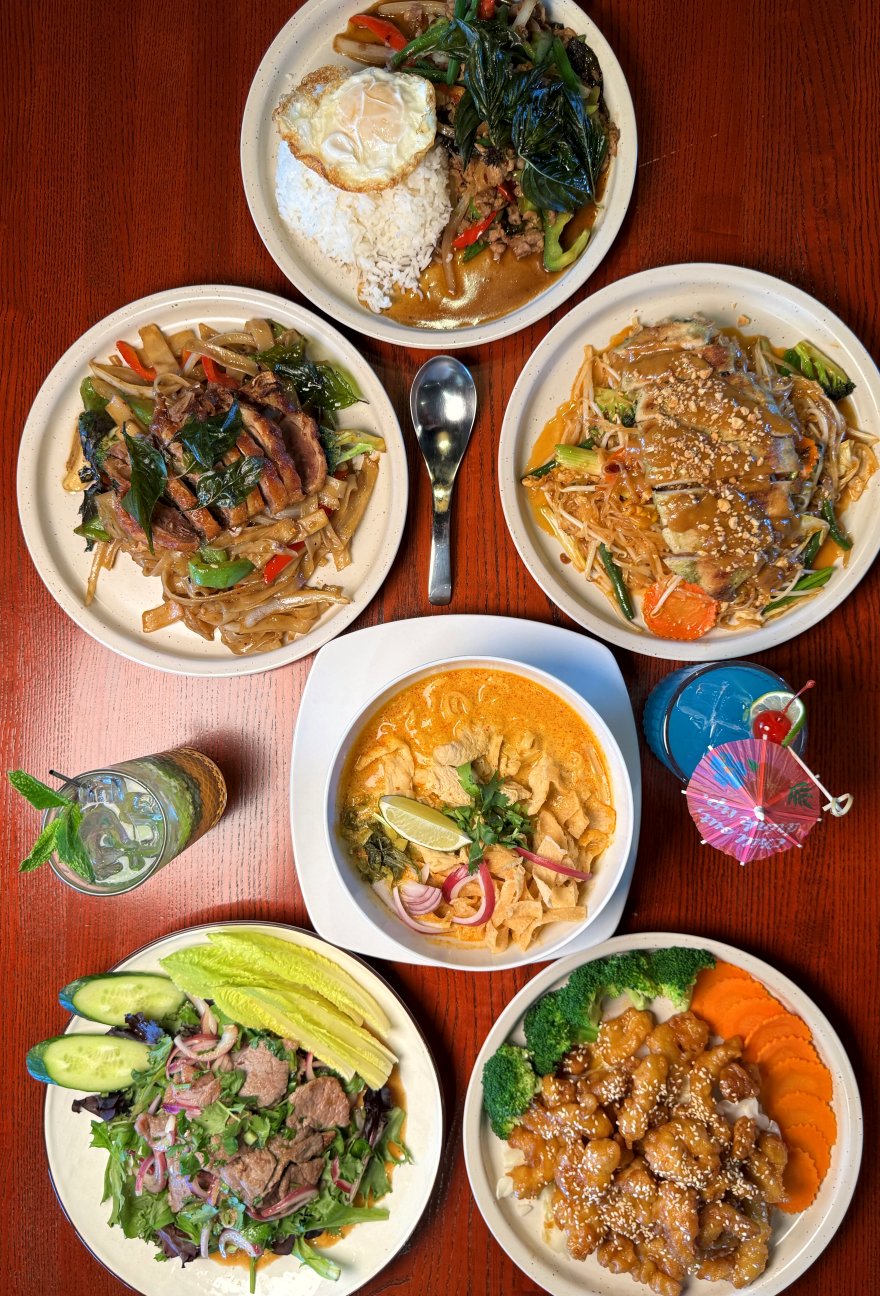

There is a reason restaurant Drunken Noodles arrive at the table with so much swagger. The noodles are glossy and lightly charred, the sauce hits sweet, salty, and savory in the same bite, and the basil perfumes the whole plate before your fork even gets there. Done well, it tastes fast and bold, but not careless. That balance is what most home cooks miss.
The good news is that this dish is very achievable at home. The less comforting news is that it does not come together by casually tossing ingredients into a pan and hoping for takeout magic. Drunken Noodles reward a little preparation, a hot pan, and restraint. Most failures come from one of three problems: soggy noodles, watery sauce, or overcrowding the skillet until everything steams instead of sears.
If you fix those issues, the dish starts to feel less mysterious. You do not need a restaurant wok burner that sounds like a jet engine. You do need to understand what each ingredient is doing, how quickly the cooking happens, and where home kitchens force you to adapt. Once you get that, you can make a plate of Drunken Noodles that tastes vivid, spicy, and surprisingly close to what you order at a good Thai restaurant.
What Drunken Noodles actually are
Despite the name, classic Drunken Noodles do not usually contain alcohol. The dish is commonly known as pad kee mao, and the exact story behind the name varies depending on who is telling it. What matters in the pan is its character. This is not a delicate noodle dish. It is robust, punchy, and a little unruly in the best way.
Broad rice noodles are typical, though plenty of home cooks use what they can find. The sauce usually leans on oyster sauce, soy-based seasoning, fish sauce, and a touch of sugar. Garlic and chilies build the base. Thai basil gives the dish its signature aroma, one of those ingredients that changes the experience more than it changes the ingredient list on paper. Protein is flexible. Chicken, beef, shrimp, tofu, or even a mix can work. Vegetables are not the main event, but they matter. Onion, bell pepper, baby corn, and Chinese broccoli show up often, and all of them contribute texture that keeps the dish from feeling like a pile of slick noodles.
Restaurant versions often have two things home versions lack. First, blistering heat that chars the noodles in spots without overcooking them. Second, confidence. Cooks at the wok station are not timid. They move fast, season assertively, and do not stir every second. If you want that restaurant feel, your job is not to imitate every motion. It is to create the same conditions in a way your kitchen can handle.
The ingredients that make or break the dish
The noodles matter more than the protein. If you have access to fresh wide rice noodles, buy them. They are soft, pliable, and ideal for this dish. In many Asian markets they are sold refrigerated or at room temperature in folded sheets or pre-cut strips. Fresh noodles can clump in the package, and that is normal. They separate more easily if you let them come to room temperature before cooking. Cold noodles tend to tear.
Dried wide rice noodles are a solid backup, but they are less forgiving. Most home cooks soak or boil them until fully soft, then wonder why they turn gummy in the pan. The better move is to stop just short of done. They should still have a slight chew because they will finish in the sauce. Think of it the same way you would think about pasta for a baked dish. If it is perfect before it hits the pan, it will be overdone by the time the dish is plated.
The sauce is compact, but every bottle pulls weight. Oyster sauce gives body and a deep savory backbone. Light soy sauce seasons and darkens. Fish sauce adds that unmistakable fermented depth that makes the dish taste complete rather than merely salty. Sugar rounds the edges and helps the sauce glaze the noodles. Some cooks add a little dark soy sauce for color, which works well if your version looks pale. Use it sparingly. Too much can muddy the flavor.
Fresh chilies are better than dried flakes here because they fry into the oil and perfume the dish from the beginning. Thai bird’s eye chilies are ideal if you can get them, but any hot red or green chili can work. The same principle applies to garlic. Pre-minced jarred garlic will make food, but it will not build the same aroma.
Thai basil deserves special mention because it is the ingredient people most often swap without realizing what they are giving up. Italian basil is sweeter and softer. Thai basil has a firmer leaf and a slightly peppery, anise-like note that stands up to heat and sauce. If Thai basil is unavailable, use regular basil rather than skipping basil entirely, but understand that the final flavor will tilt in a different direction.
The home kitchen challenge, heat without chaos
Restaurant wok burners can push out far more heat than a standard home stove. You cannot duplicate that exactly, but you can cook in a way that respects your equipment. The biggest mistake is using a pan that is too small for the amount of food. When the pan is crowded, moisture collects, ingredients soften, and the dish loses the lightly smoky edge that defines good Drunken Noodles.
A large wok is great if you have one that sits securely over a strong burner. A large, heavy skillet is often even easier for home cooks. Carbon steel responds quickly. Cast iron holds heat well, though it can be a bit slower to recover if https://edgarzwju921.slatecurrent.com/posts/drunken-noodles-with-basil-why-this-herb-matters the pan cools down. Nonstick is convenient but usually not ideal here because high heat, aggressive searing, and glossy reduction are where the dish shines.
Cook in batches if you have to. This feels inefficient until you taste the difference. A properly seared batch of noodles with concentrated sauce always beats a giant pan of steamed compromise. In professional kitchens, this dish is often cooked one order at a time for exactly that reason.
Getting your mise en place right
This is not a recipe you prep as you go. Once the pan is hot, the cooking itself moves in minutes. Slice your protein thinly. Cut vegetables into pieces that cook quickly and evenly. Mix the sauce before the burner turns on. Separate noodles in advance. Wash and dry the basil. Set a small bowl of water nearby if your sauce starts reducing too fast and needs loosening.
This is also where judgment comes in. If your vegetables are very wet after washing, dry them thoroughly. Water is the enemy of sear. If your protein has been marinating, do not let it drip excessively into the pan. A little marinade clinging to the meat is fine. Puddles are not.
I learned this the annoying way years ago with a crowded skillet and a pound of just-rinsed rice noodles. The sound in the pan was wrong from the start, more hiss than sizzle, and the final dish tasted flat even though the sauce mixture was solid. After that, I started treating Drunken Noodles like a stir-fry that tolerates no laziness in prep. Everything got better immediately.
A reliable formula for the sauce
For two generous servings, a dependable range is about 8 to 10 ounces of wide rice noodles, 8 ounces of protein, 2 to 3 cups of vegetables, and a sauce made from roughly 2 tablespoons oyster sauce, 1 to 1 1/2 tablespoons light soy sauce, 1 to 2 teaspoons fish sauce, 1 to 2 teaspoons sugar, and a splash of water. If you want deeper color, add up to 1 teaspoon dark soy sauce. If you want more heat, increase the chilies at the start instead of trying to rescue the dish later with chili flakes.
These are not rigid measurements. Different brands vary in saltiness and sweetness. Oyster sauces in particular differ more than many people expect. Taste the mixed sauce before cooking. It should seem slightly intense on its own because it has to season noodles and vegetables, not just itself. If it tastes gentle in the bowl, it will likely taste weak in the pan.
The cooking sequence that delivers restaurant-style texture
This is the part where method matters more than ingredient purity. You can make very good Drunken Noodles with a few substitutions, but if the sequence is off, even great ingredients will not save it.
- Heat your wok or skillet until it is very hot, add oil, then fry the garlic and chilies briefly until fragrant, about 10 to 20 seconds.
- Add the protein and cook it mostly through without fussing too much, letting it pick up color before moving it around.
- Add sturdy vegetables such as onion, bell pepper, or Chinese broccoli stems, then add the noodles and sauce once the vegetables begin to soften.
- Toss or lift the noodles gently so they coat without breaking, letting them sit in contact with the pan long enough to char lightly in spots.
- Finish with leafy greens and Thai basil, toss just until wilted, then serve immediately.
A few details inside that sequence are worth understanding. Garlic burns fast, so the chilies and garlic should hit the oil only once the rest of your ingredients are within arm’s reach. Protein should not be cooked all the way to finished before the vegetables go in, because it will keep cooking. Noodles should not be stirred constantly. Contact with the hot pan is what gives them character.
If you are using fresh rice noodles that are clumped tightly, separate them gently with your fingers before they go into the pan. If needed, microwave them for a few seconds or warm them briefly near the stove to loosen them. Tearing at cold noodles in the skillet is a frustrating way to start.
How to get the glossy, clingy sauce instead of a watery puddle
Good Drunken Noodles are not soupy. The sauce should reduce just enough to coat the noodles in a sheen. That texture depends on three things: not adding too much liquid, cooking over enough heat, and giving the sauce time to reduce in the pan.
Many recipes call for added broth or a generous amount of water. In a restaurant with fierce heat, that can evaporate quickly. In a home kitchen, it often lingers. Start with less liquid than you think you need. You can always add a tablespoon or two of water to loosen the noodles if they tighten up. It is harder to recover from flooding the pan.
Sugar plays a role here, too. It is not there simply to make the dish sweet. In the right amount, it rounds out fish sauce and soy while helping the sauce take on that light glaze. Too much sugar, though, pushes the dish toward sticky and heavy. Restraint is your friend.
If your sauce looks thin at the end, keep cooking for another 20 to 30 seconds instead of adding more seasoning immediately. Often the issue is not flavor but water content. Let the pan do its job.
Vegetables and protein, what works and what changes the dish
Chicken is the most forgiving protein for most cooks. Thin slices of boneless thigh stay juicy, pick up color well, and do not dry out if the pan runs a little hot. Beef works beautifully, especially flank or sirloin sliced thin against the grain. Shrimp cooks fast and suits the dish, but timing becomes tighter because overcooked shrimp turns rubbery in moments. Tofu can be excellent if it is pressed well and browned first. Soft tofu tends to break apart unless handled very carefully.
Vegetables should support the noodles, not bury them. Onion brings sweetness and bite. Bell pepper adds freshness and color. Chinese broccoli contributes bitterness and structure, which can keep the dish from tasting one-note. Baby corn offers crunch but very little flavor. That is not a flaw if the rest of the dish is seasoned boldly.
One thing I would avoid is loading in watery vegetables like zucchini or mushrooms unless you understand what they will do to the pan. Both can work, but they release moisture and can soften the noodles if added thoughtlessly. If you use mushrooms, sear them first and let their water cook off before continuing.
The role of basil, and why it goes in late
Basil is not garnish here. It is one of the core flavors. If it cooks too long, it loses brightness and can turn muddy. Add it right at the end, toss just until wilted, and get the food on the plate. The residual heat will finish the job.
If you have ever had Drunken Noodles at a strong Thai restaurant, that final basil aroma is part of the thrill. It is what rises off the plate first, ahead of the sauce. Lose that and the dish feels flatter, even if every other element is solid.
Common mistakes and the fastest fixes
Most home issues are predictable. Over-soaked noodles become mushy and break. If that happens, there is no elegant rescue. The best fix is prevention next time. Too much sauce can be cooked down if the pan is hot enough, though the vegetables may soften more than ideal. Too little sauce is easier, just splash in a bit more premixed sauce or a touch of fish sauce and soy diluted with water.
Heat level can also drift. If the dish tastes fiery but thin, you probably added enough chilies but not enough savory seasoning. If it tastes salty but dull, it often needs basil, a pinch more sugar, or a bit more char from extra pan contact. Balance is not abstract in this dish. You can usually feel which direction it needs.
Here are a few practical adjustments that consistently help:
- If the noodles clump, warm them slightly before cooking and separate them by hand.
- If the pan steams instead of sears, cook a smaller batch.
- If the flavor tastes harsh, add a small pinch of sugar rather than more soy.
- If the noodles seem dry, loosen with a tablespoon of water, not a flood of sauce.
- If the basil disappears in flavor, add more at the end and serve immediately.
Making it taste smoky without a wok burner
That faint smoky note many people associate with restaurant stir-fry is hard to fake, but you can get closer than you might expect. High heat helps, but so does patience. Let parts of the noodles sit untouched for a few seconds before tossing. Do the same with protein. Browning develops flavor faster than constant movement.
Some cooks chase smokiness with bottled sauces, sesame oil, or extra dark soy. None of those really solve the problem. Sesame oil changes the profile and can overpower the basil. Extra dark soy adds color more than depth. The closest route is still good pan contact, enough oil to conduct heat, and small enough batches that the pan stays hot.
Another useful trick is to preheat longer than feels necessary. Many home cooks start too early. A pan that seems hot often is not hot enough for stir-frying. Give it another minute. When the oil moves quickly across the surface and the first aromatics sizzle on contact, you are in better shape.
Smart substitutions when the ideal ingredients are not available
Not every kitchen sits five minutes from a Thai market. You can still make a strong version of Drunken Noodles with thoughtful substitutions. Wide dried rice noodles are fine if treated carefully. Regular basil can stand in for Thai basil if needed, though the result will be softer and sweeter. Broccolini can replace Chinese broccoli. A mix of soy sauce and a little hoisin can mimic some of the sweetness and body of oyster sauce in a pinch, though the flavor will shift.
The substitutions that hurt most are fish sauce and basil. Fish sauce is the ingredient people often fear, but in this dish it does not taste fishy when used properly. It tastes seasoned. If you skip it entirely, the dish can feel oddly hollow. If dietary needs require a vegetarian version, use a vegetarian fish sauce alternative or add depth with mushroom-based seasoning and a little extra soy, knowing that it will be a different dish, not a perfect duplicate.
Serving it while it still tastes alive
Drunken Noodles are best eaten immediately. They do not improve while sitting, and they are never quite the same after reheating. Rice noodles firm up as they cool, basil darkens, and the sauce loses some of its sheen. That does not mean leftovers are bad, only that this is a dish to finish and serve in one continuous motion.
Warm bowls or plates help more than people think. A hot dish cools quickly on a cold plate, especially if the portion is not huge. If you have gone to the trouble of getting the noodles glossy and aromatic, give them a fighting chance.
You also do not need much on the side. The dish is complete on its own. If you like, serve it with lime wedges, though not every version needs acidity. A squeeze of lime can brighten a heavy batch, but if the balance is already right, it may distract more than improve.
A sample game plan for a weeknight batch
On a weeknight, efficiency matters. Start by mixing the sauce in a small bowl. Slice chicken thighs, onion, and bell pepper. Separate the noodles. Pick the basil leaves. Put the pan over high heat while you set everything within reach. Then cook straight through without pause. From the moment the oil goes in, the dish should take roughly five to seven minutes.
That speed is one reason Drunken Noodles feel so satisfying to cook. The prep asks for attention, then the pan gives immediate feedback. Too cool, and you hear a weak hiss. Hot enough, and the kitchen smells right almost instantly, garlic, chili, sauce, and basil building layer by layer. Few home dishes deliver that kind of payoff so quickly.
Why this dish is worth learning properly
There are easier noodle dishes, certainly. There are also more forgiving ones. But Drunken Noodles teach habits that improve every stir-fry you make afterward. You learn to control moisture, to respect heat, to season in concentrated layers, and to stop stirring long enough for flavor to develop. Those are kitchen skills, not just recipe steps.
And once you get them right, the dish has a very particular kind of appeal. It feels generous and a little dramatic, the kind of dinner that can rescue a tired evening. You can make it fiery or moderate, meaty or meatless, vegetable-heavy or noodle-forward. The core remains the same: broad noodles, assertive sauce, hot pan, fresh basil at the finish.
That is what gives restaurant-style Drunken Noodles their identity. Not a secret ingredient, not some mythical bottle from the back shelf, but a combination of sound technique and a few ingredients used with intent. Get the noodles right, keep the pan hot, and let the basil announce itself at the end. Your kitchen can absolutely produce a plate worthy of the craving.
Nakhon Luang Thai Kitchen
Address: 805 Village Center Dr, Colorado Springs, CO 80919
Phone number: +17195315175
FAQ About Drunken Noodles
What makes it drunken noodles?
Drunken noodles, or Pad Kee Mao, get their name from the Thai word khi mao (meaning "drunkard"). They contain no alcohol. The name comes from the idea that the dish is a popular late-night meal to cure a hangover or a great food to eat with a cold beer.
What is the difference between pad see ew and drunken noodles?
While both Pad See Ew and Drunken Noodles use the same wide rice noodles, Pad See Ew is a mild, sweet-savory dish made with dark soy sauce and Chinese broccoli, whereas Drunken Noodles (Pad Kee Mao) are fiery, garlicky, and herbaceous with fresh chilies and Thai basil.
What are traditional drunken noodles?
Traditional drunken noodles, known as Pad Kee Mao in Thai, are a fiery, savory street food stir-fry made with wide flat rice noodles, fresh garlic, lots of hot chilies, meat or tofu, and fragrant holy basil. Despite the name, they contain no alcohol; the dish is traditionally eaten late at night or as a hangover cure because the intense spice helps clear the head.