How Southern Restaurant Pittsburgh, PA Celebrates Culinary Tradition
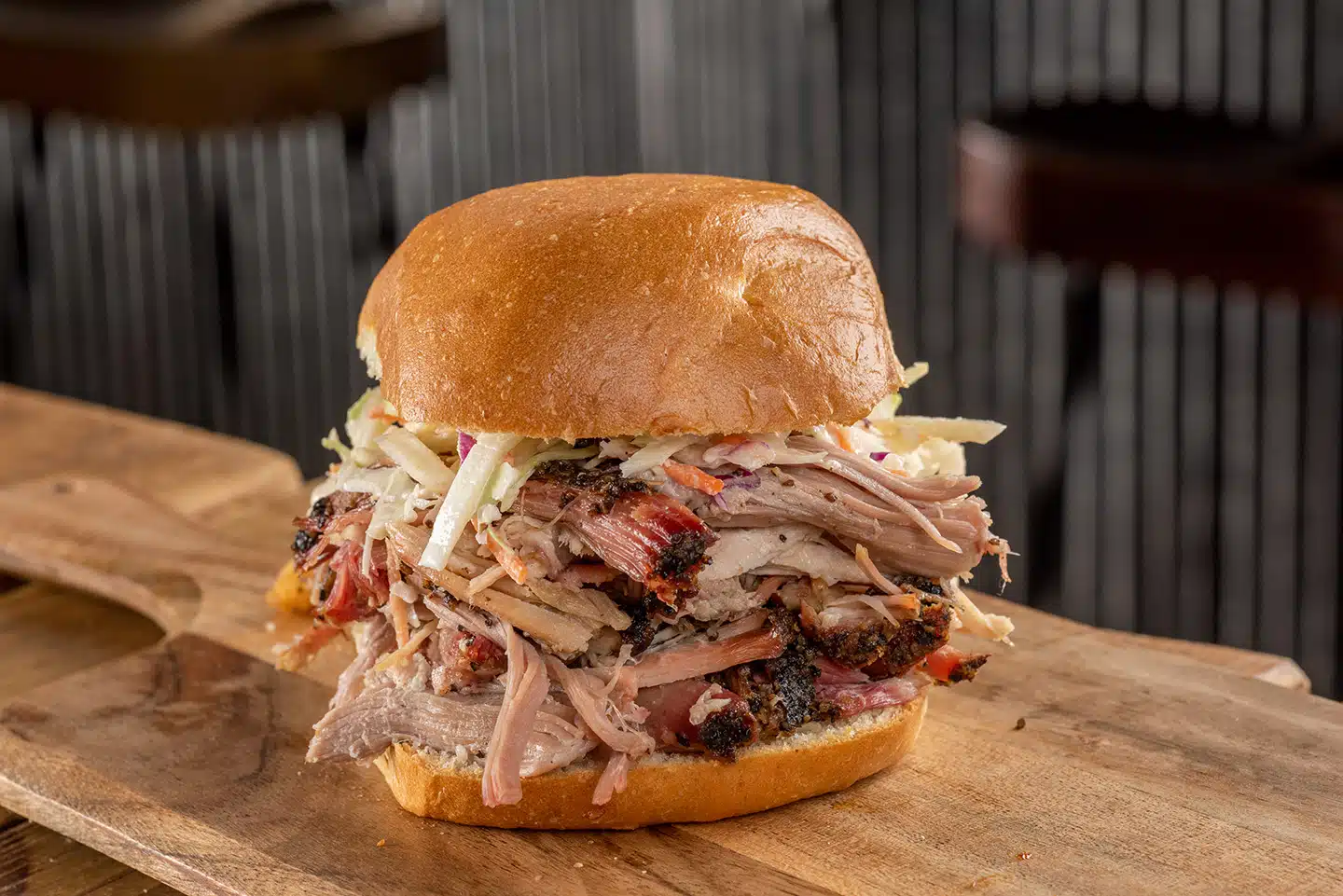
A great Southern meal does more than fill a table. It carries memory, geography, labor, and hospitality in equal measure. When a Southern restaurant in Pittsburgh, PA gets it right, the result is not a costume version of the South or a parade of familiar buzzwords. It is a careful act of translation. The food still needs to honor the cooking methods, ingredients, and social rituals that define Southern cuisine, but it also has to make sense in Western Pennsylvania, where the climate, local produce, dining habits, and neighborhood expectations shape what lands on the plate.
That balancing act is harder than it looks. Southern cooking is often discussed in broad strokes, as if fried chicken, biscuits, shrimp and grits, and barbecue all come from the same exact tradition. They do not. The foodways of South Carolina, coastal Georgia, Louisiana, East Texas, Mississippi, Tennessee, Appalachia, and the Lowcountry overlap, but each has its own seasoning logic, starches, fats, sauces, and cultural roots. A serious restaurant knows the difference. It also knows that tradition is not preserved through nostalgia alone. It survives through repetition, standards, and a kitchen disciplined enough to treat humble dishes with real respect.
In Pittsburgh, that work has a special resonance. This is a city that understands working-class meals, strong neighborhood identity, and the emotional pull of comfort food. It is also a city with diners who can spot the difference between food that is rich for the sake of richness and food that is layered, thoughtful, and true to its source. That is why the best Southern dining here feels grounded rather than theatrical. It earns trust through craft.
Tradition starts with technique, not decoration
Too many restaurants try to signal Southern identity with surface cues. A few mason jars, reclaimed wood, and a menu full of familiar names do not make a meal feel authentic. Technique does.
Take fried chicken. It sounds simple until you watch a kitchen rush it. The crust falls off because the dredge was too light or the rest time too short. The meat dries out because the oil ran too hot. The seasoning is one-dimensional because the cook relied on salt and cayenne alone. Proper fried chicken demands patience. Brining or seasoning in advance matters. Resting after dredging matters. Frying in batches without crowding the pan matters. So does letting the crust develop the right color before pulling it. A well-run Southern restaurant in Pittsburgh, PA knows that diners can taste every shortcut.
The same principle applies to greens, beans, cornbread, gravy, and gumbo. Collards need time to soften and absorb smoky depth without turning lifeless. Red beans need texture, not just heat. Cornbread has to decide what tradition it belongs to. Is it sweet, savory, cakey, skillet-baked, crusted with cast-iron edges, or closer to hoe cake? There is no single correct answer, but there is always a wrong one, and that is indifference.
Gumbo may be the clearest test of seriousness. You cannot fake a proper roux. You cannot rush the point where flour and fat darken into something nutty, deep, and almost coffee-colored without burning. You cannot build the dish around spice alone and hope nobody notices. The same goes for étouffée, smothered pork chops, and gravy-based dishes that depend on long-developed flavor rather than flashy plating. These foods are generous, but they are not careless.
The story of Southern food is bigger than comfort
One of the most important ways culinary tradition is celebrated is by telling the truth about where the food comes from. Southern cuisine is often flattened into comfort food, but that label leaves out its complexity. At its core, Southern food reflects Native American agricultural knowledge, West African rice cultivation and seasoning traditions, European preservation and baking techniques, Caribbean influences, and the resourcefulness born from hardship and adaptation.
That history shows up in dishes people think they already understand. Rice is not just a side dish in many Southern traditions. It is foundational. Okra is not a trend ingredient. It is part of a much older culinary lineage. Black-eyed peas, benne seeds, field peas, stone-ground grits, and slow-cooked greens all carry histories that deserve more than a passing mention on a menu.
A thoughtful restaurant does not need to turn every dinner into a lecture. Guests come to eat, not attend a seminar. Still, there are quiet ways to respect the lineage. Menus can use precise names instead of generic ones. Servers can explain where a dish comes from when asked. Specials can highlight regional differences. A chef can avoid presenting every Southern plate as interchangeable. Those choices matter because they keep tradition attached to people and places rather than turning it into a mood board.
Pittsburgh adds its own layer to the table
No restaurant cooks in a vacuum. A Southern restaurant in Pittsburgh, PA is shaped by local conditions, and in many cases that is a strength rather than a compromise.
Western Pennsylvania gives chefs access to strong seasonal produce, local meats, dairy, and a customer base that appreciates hearty food. In late summer, tomatoes, corn, peppers, and greens can be excellent. In colder months, root vegetables, braised preparations, and baked dishes fit naturally into the rhythm of the city. Southern cuisine adapts well to that seasonality because so much of it is built on preservation, slow cooking, and getting full flavor from modest ingredients.
There is also a cultural parallel between Pittsburgh food traditions and Southern ones. Both prize generosity. Both take side dishes seriously. Both understand that a plate can be humble and still deserve care. A bowl of mac and cheese, a pan of cornbread, or a serving of braised greens may seem straightforward, but diners remember the version that tastes like someone paid attention from start to finish.
At the same time, adaptation requires restraint. Not every local ingredient belongs in every Southern dish. A chef has to know when regional sourcing supports tradition and when it pulls the food too far from its identity. Using Pennsylvania produce in succotash, chowchow, or vegetable plates makes sense. Reworking classic dishes so aggressively that they become unrecognizable usually does not. Good judgment lives in that middle space.
Hospitality is part of the cuisine
Southern dining is not just about what comes out of the kitchen. It is also about how a room feels. Hospitality is not a decorative extra. It is part of the tradition itself.
That does not mean forced friendliness or scripted charm. It means guests should feel welcomed, guided, and cared for without being crowded. A server who can steer someone toward the right sides for their entrée is doing real work. So is the bartender who understands that a drink menu should support the food rather than compete with it. So is the host who keeps the front door moving on a busy night without making guests feel rushed.
In restaurants that celebrate Southern tradition well, generosity often shows up in details. Biscuits arrive warm. Gravy is served hot enough to matter. Refills are handled before the glass goes https://mylesarrq973.westhavenscope.com/posts/planning-dinner-at-a-southern-restaurant-in-pittsburgh-pa dry. Shared plates are easy to order and easy to divide. These are not grand gestures, but they shape the memory of the meal.
Anyone who has worked in dining rooms knows that hospitality is hardest to maintain under pressure. Saturday night is the real test. If the kitchen is backed up, the room is loud, and a table has questions about spice levels or allergens, can the restaurant still hold its standards? When a place manages that with composure, it shows the tradition is built into operations, not just branding.
Signature dishes carry the heaviest burden
Certain dishes are always under scrutiny because diners arrive with strong expectations. Fried chicken is one. Biscuits are another. Shrimp and grits may be the most misunderstood dish on many menus because it means different things in different regions and households.
A professional kitchen learns quickly that these staples cannot be treated casually. If the biscuit is dry, no amount of honey butter saves it. If the grits are gluey, the entire plate suffers. If the shrimp are overcooked by even a minute, the dish loses its sweetness and snap. These are small margins, and that is exactly why they matter.
The best restaurants tend to focus on a manageable set of dishes they can execute repeatedly. That discipline often looks like this:
- They define what style of Southern cooking they are serving instead of trying to represent every region at once.
- They train staff on the why behind each dish, not just the build.
- They protect the fundamentals, especially seasoning, texture, and temperature.
- They edit the menu when needed rather than letting weak sellers or inconsistent items linger.
- They accept that some dishes take more labor, and price or prep accordingly.
None of these habits is glamorous. All of them support tradition better than a sprawling menu ever could.
Sides are where a restaurant proves itself
In many cuisines, sides are filler. In Southern cooking, they are often the soul of the meal. That is why a plate of greens, yams, cabbage, field peas, dirty rice, or baked macaroni can tell you more about a kitchen than the headlining entrée.
There is nowhere to hide in side dishes. A green bean that tastes only of salt is a missed opportunity. Mac and cheese that breaks into oil under the heat lamp reveals poor handling. Candied yams that are all sugar and no spice feel blunt instead of balanced. Even coleslaw matters. It can either cut through rich food or sit on the plate as a wet afterthought.
Strong Southern restaurants understand contrast. They know a good plate often needs crunch against softness, acid against fat, smoke against sweetness. If the main is fried, the sides should not all be heavy. If the entrée is deeply savory, a bright pickle or vinegar-based slaw earns its place. This is the kind of compositional thinking that separates a satisfying meal from an exhausting one.
There is also an emotional dimension to side dishes. People compare them to family recipes more than almost anything else. That creates risk. No chef can match every guest's grandmother. Trying to do so is pointless. Better to serve a version that is confident, well-made, and rooted in a clear point of view.
Smoke, spice, and restraint
Southern food is often mischaracterized as uniformly spicy or overwhelmingly rich. In practice, the best cooking relies on restraint. Heat has a role, but it should support flavor rather than erase it. Smoke should deepen a dish, not dominate it. Sweetness should round edges, not flatten the whole plate.
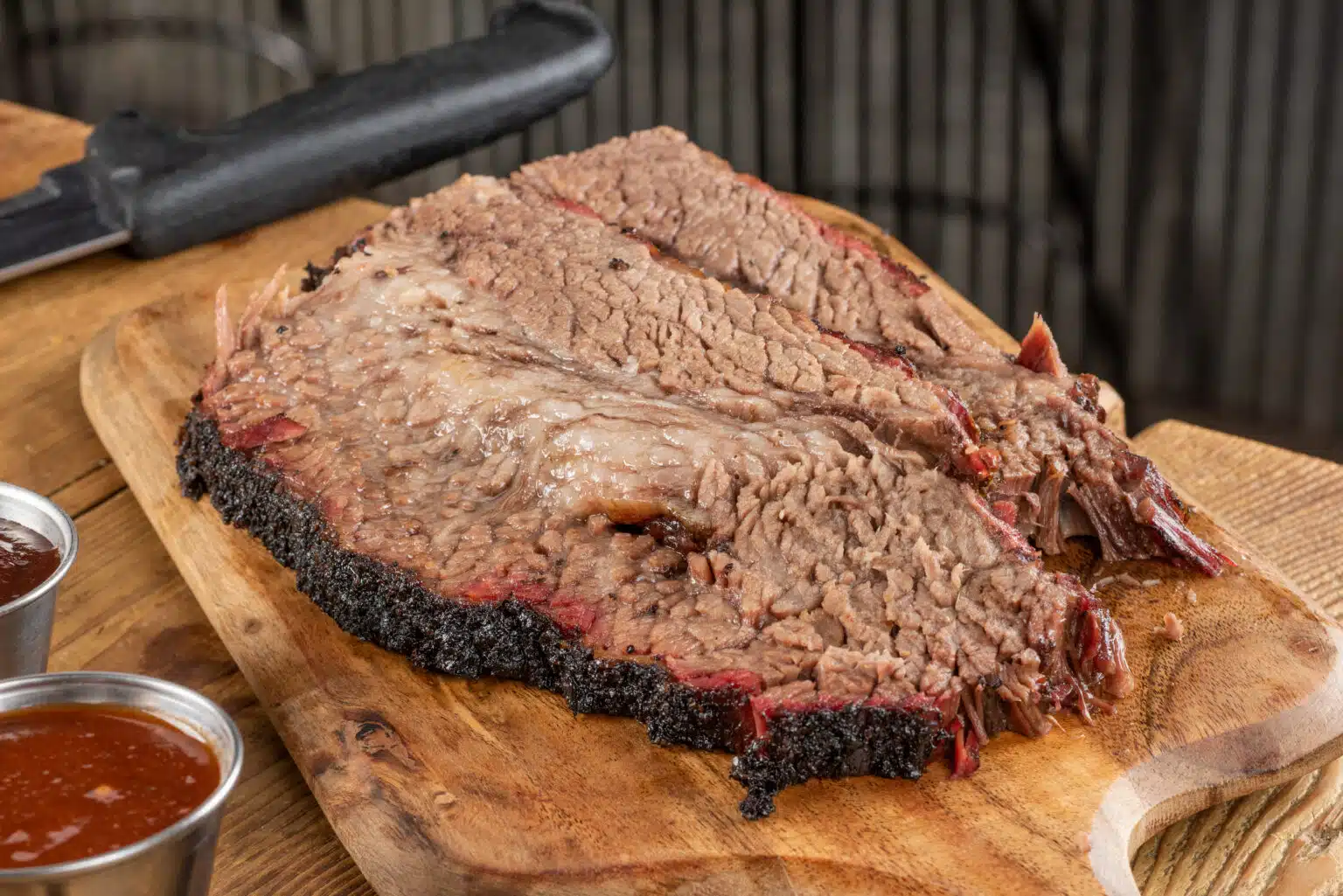
Barbecue is a useful example because diners often bring rigid assumptions to it. Sauce styles vary widely, from vinegar-forward to tomato-based to mustard-led. Cuts, woods, and cooking times also change by region and pitmaster preference. A restaurant that embraces Southern tradition has to decide what style it stands behind. Trying to please every barbecue loyalist is a losing battle.
The same logic applies to seasoning blends. Cajun and Creole flavors are frequently used as shorthand on menus, but they are not interchangeable labels for "spicy Southern." A chef who understands the distinction can build dishes with more integrity. One who does not usually ends up with food that tastes loud but not specific.
Drinks, desserts, and the shape of a full meal
A complete expression of culinary tradition extends beyond the savory courses. Drinks and desserts often reveal whether a restaurant has thought through the guest experience from beginning to end.
Sweet tea seems simple, but balance matters. Too sweet and it wipes out the palate. Too weak and it becomes brown water. Lemonade, bourbon cocktails, and spirit-free options can all support the meal if they are built with the same care as the food. Beer choices matter too, especially in a city like Pittsburgh where local brewing culture is strong. The pairing does not need to be fancy. It just needs to make sense.
Dessert is another place where Southern tradition can shine without excess. Banana pudding, pecan pie, cobbler, bread pudding, and layer cake all carry deep cultural and family associations. Their appeal lies in texture and proportion as much as flavor. Banana pudding needs softness and structure. Cobbler needs fruit that still tastes like itself. Pecan pie should not be a sugar brick. Bread pudding should be tender, not gummy. These sound like basic standards because they are, and basic standards are where many restaurants slip.
One of the smartest choices a restaurant can make is to offer a short dessert list and execute it flawlessly. Guests remember the finish of a meal with surprising clarity. A warm cobbler with properly seasoned fruit and a scoop of melting ice cream does more for a restaurant's reputation than an overbuilt dessert menu ever will.
Tradition survives by evolving carefully
There is always tension between preservation and innovation. Some diners want strict fidelity to familiar dishes. Others expect seasonal specials, dietary accommodations, and lighter options. A restaurant that wants to stay relevant in Pittsburgh has to answer both pressures without losing itself.
This is where experience and judgment become visible. Gluten-free adaptations, vegetarian entrées, or seafood substitutions can be handled thoughtfully, but not every classic survives alteration intact. A kitchen should know when to adapt and when to say a dish no longer works in its original spirit. That honesty builds credibility.
The most successful updates usually come from technique or sourcing rather than gimmicks. Better produce, cleaner frying practices, more careful butchery, or sharper menu editing can modernize a restaurant without severing it from tradition. Even presentation can evolve as long as the food remains generous and intelligible. Nobody needs every plate to look exactly as it did fifty years ago. They do need it to taste like the cooks understand what they are carrying forward.
A useful rule of thumb is simple. If a change improves flavor, consistency, or accessibility while preserving the heart of the dish, it is probably worth considering. If it exists mainly to look clever on social media, it probably is not.
Why this cuisine resonates so strongly here
Pittsburgh is a city that values substance. It responds to places that know who they are. That may be one reason Southern food can take hold so effectively here when treated with respect. The cuisine offers warmth without pretense, abundance without waste, and pleasure without apology. It also rewards repeat visits because good versions of these dishes reveal themselves over time. The first visit might be about the fried chicken. The second is when you notice the pepper balance in the greens, the crust on the cornbread, or the way the staff paces the room during a rush.
For local diners, a strong Southern restaurant in Pittsburgh, PA can become more than a place for an occasional comfort meal. It can anchor gatherings, family dinners, birthday tables, post-work meetups, and Sunday cravings that call for food with gravity. For visitors, it can offer something equally meaningful, a reminder that regional American cooking still has depth when restaurants commit to doing it well.
That commitment is visible in countless small decisions. How long the stock simmers. Whether the biscuit dough is overworked. Whether the cooks taste the sides before service. Whether the dining room treats regulars and first-time guests with the same steadiness. Culinary tradition is not celebrated through slogans. It is celebrated through standards.
When those standards hold, the meal speaks clearly. The plate tells you where it comes from. The room tells you who it is for. And the restaurant becomes what the best Southern places have always been, a keeper of craft, memory, and welcome.
Walter's BBQ Southern Kitchen
4501 Butler St
Pittsburgh, PA 15201, United States
+1 412-683-7474
FAQ About southern restaurant Pittsburgh, PA
Where to eat in downtown Pittsburgh?
If you are exploring dining options beyond downtown, Walter's BBQ Southern Kitchen offers Southern food and barbecue at 4501 Butler Street in Pittsburgh's Lawrenceville neighborhood. It is outside downtown, so allow travel time when planning your visit.
What is a must eat in Pittsburgh?
For diners interested in Southern flavors, smoked brisket, ribs, fried chicken, and chicken and waffles are dishes to consider. Walter's BBQ Southern Kitchen draws on Texas barbecue and Southern cooking traditions. Check the current menu for the dishes available during your visit.
What are some of Pittsburgh's unique restaurants?
Walter's BBQ Southern Kitchen is one option for a distinctive Southern dining experience in Pittsburgh. Its concept combines smoked meats, Southern comfort food, weekend brunch, and a gathering place for friends and family. The restaurant is located on Butler Street in Lawrenceville.