Hosting a Surprise Party at a Bar With Private Room
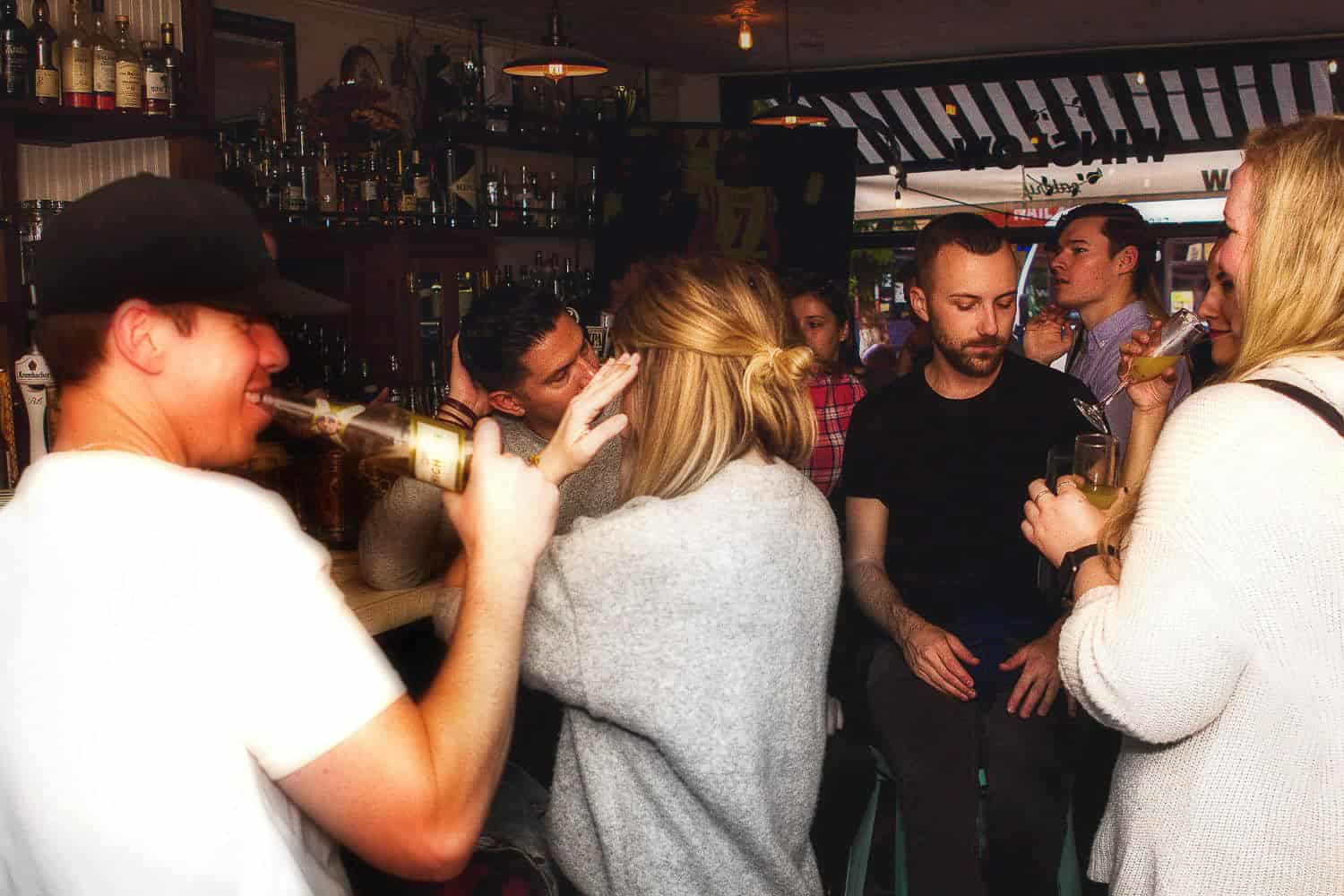
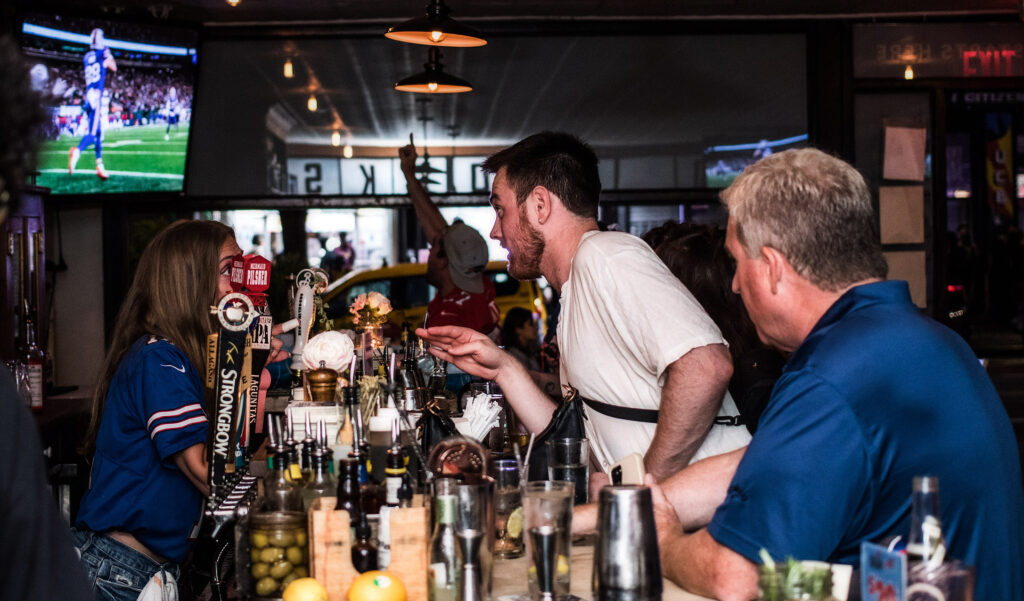
A surprise party sounds simple until you try to pull one off in a real venue, with real guests, real timing, and one guest of honor who must not find out too early. That is why a Bar With Private Room often makes more sense than a house, a restaurant dining room, or a rented hall. You get atmosphere, staffing, drinks, and a space designed to hold a group without turning the event into a production. Done well, it feels effortless for the guests and genuinely surprising for the person you are celebrating.
Done poorly, it unravels fast. The guest of honor arrives early. The birthday cake sits in plain sight at the host stand. Half the group cannot hear each other because the room backs up to the live band. The bar tab becomes a point of tension instead of generosity. Most of the mistakes happen before the first guest walks in. They come from choosing the wrong room, not setting expectations with the venue, or assuming a surprise party can be run casually.
The best surprise parties I have seen at bars all share one trait. Someone made a series of small, practical decisions in advance. They did not overcomplicate the evening, but they also did not leave crucial details to chance.
Why a private room changes the entire event
A public bar can work for a casual birthday drink, but a surprise party asks more from the setting. You need a place where people can gather without hovering awkwardly at the entrance, where the guest of honor can be guided in at the right moment, and where the room itself gives the event a sense of occasion. A private room solves all three problems.
Privacy is not just about exclusivity. It is about control. In a shared bar area, guests arrive in waves, jackets pile up on stools, and someone inevitably texts, “We’re by the neon sign near the darts,” which is how surprises leak. In a private room, your group has a home base. People can settle in, order a drink, and wait without drawing attention. The room also absorbs some of the chaos that usually comes with a group of twenty or thirty people trying to coordinate in a busy venue.
There is another advantage that hosts often underestimate, sound. A good private room lets people actually talk. That matters more than décor. Most guests will remember whether they could catch up with old friends, whether the toast was audible, and whether the guest of honor looked relaxed. They rarely remember the exact color of the napkins.
A Bar With Private Room also creates a useful middle ground between formal and informal. It feels more considered than “meet us out for drinks,” but it avoids the stiffness of a banquet room. For birthdays in the 30 to 50 guest range, engagement celebrations, retirement gatherings, and milestone promotions, that middle ground is often exactly right.
Start with the room, not the menu
People often begin planning by asking about food packages and cocktails. That is understandable, but backwards. First, figure out whether the room can support the kind of surprise you have in mind.
Think about the entrance path. Can the guest of honor walk directly into the room, or do they have to pass a host stand and then a main bar where your guests might be visible? A room tucked behind the main bar can be ideal if there is a side entrance or clear route. A room on a mezzanine can work well too, provided the venue staff know precisely when and how to guide your guest upstairs. If the room has glass walls facing the bar, that is worth considering. A visible room can be beautiful, but not if your guest of honor arrives and spots three cousins waving from inside.
Ceiling height and shape matter more than most people expect. Long, narrow rooms can make thirty guests feel split into separate camps. Square rooms usually support mingling better. If you expect speeches or a video montage, ask whether one wall naturally serves as a focal point. If you want dancing later, do not assume a private room automatically has floor space once furniture is in place.
I once helped organize a surprise 40th birthday where the room looked perfect in photos, exposed brick, warm sconces, polished wood bar in the corner. The problem was the layout. It had one dramatic entrance that opened straight toward the group. Great for a reveal, but terrible for secrecy because the door faced the hallway. Every time staff passed by, guests instinctively turned toward the door. By the time the guest of honor arrived, half the room had already gone quiet twice for false alarms. The lesson was simple. A room needs staging as much as style.
Ask the venue questions that actually matter
A venue can say “yes, we do private events” and still be the wrong fit. The right questions are practical, sometimes slightly unglamorous, and they save the party.
Here are the areas worth clarifying before you pay a deposit:
- Ask about guest count ranges, not just maximum capacity. A room that holds 60 may feel sparse with 22.
- Confirm food and beverage minimums, tax, service charges, and whether gratuity is included.
- Ask how the surprise arrival is typically handled, including where guests should gather and who cues the room.
- Confirm the noise situation, including nearby DJs, trivia nights, sports audio, or live music.
- Ask what is allowed for décor, cake, candles, playlists, and any outside vendors.
Those five questions surface most of the hidden friction. The budget issue is obvious, but service structure can be just as important. Some bars staff private rooms heavily, with one dedicated server and a bartender. Others rely on roaming staff from the main floor. If you are hosting a polished event, that difference matters. A private room with weak service can feel neglected no matter how attractive it looks.
Minimum spend is another area where hosts get tripped up. A room may appear affordable until you realize the minimum applies before tax and service, or only to in-house food and drink, not cake-cutting fees or room rental. There is nothing wrong with a minimum. In fact, for larger parties, it can be better than a flat room fee. You just want the numbers in writing and explained https://blogfreely.net/miliontesk/bar-with-private-room-benefits-for-private-networking-nights plainly.
The guest count sweet spot
Surprise parties tend to grow. One friend mentions another, someone adds partners, a sibling asks if kids are welcome, and suddenly your intimate gathering is pushing the top of the room’s capacity. Resist the urge to overfill a private room. Bars are better when people can move.
For a stand-up cocktail style event, rooms usually feel comfortable when they are at about 70 to 85 percent of their listed capacity. Seated dinners are different, of course, and require a more precise layout. But for most surprise parties at bars, the best energy comes from enough people to create buzz without forcing everyone into one volume level and one physical cluster.
There is also a social factor. Surprise parties are strongest when the room contains the people the guest of honor will actually want to speak with. More guests do not always create a better night. Twenty-five well-chosen people in a warm room can beat a crowd of sixty where half the attendees only vaguely know one another.
If you are torn between inviting broadly and keeping the secret manageable, I lean toward smaller. Every extra person increases the chance that someone posts too early, mentions the plan in the wrong group chat, or accidentally asks the guest of honor, “So what are you wearing Friday?”
Timing the reveal without making it theatrical
A successful surprise does not need to be a stunt. It needs clean timing. The easiest format is to ask guests to arrive 30 to 45 minutes before the guest of honor. That gives enough cushion for traffic, drink orders, and late arrivals, but not so much that the room loses energy.
More than an hour can be risky unless guests are close friends who are happy to settle in. People drift, step out to smoke, wander toward the main bar, or get noisy. The reveal works best when everyone is in position and alert, not when half the room is checking phones and the other half is on their second round.
The pretext for bringing the guest of honor to the bar should fit their personality. If they are suspicious by nature, a vague “just meet us for one drink” can trigger questions. A believable reason is better, perhaps a casual dinner with a sibling, a post-work drink with a partner, or a friend stopping by to “show them a venue.” The lie does not need to be elaborate. In fact, elaborate usually backfires.
Coordinate a single point person for arrival. Too many cooks ruin the timing. One person should know when the guest of honor leaves home, one venue contact should be alerted when they are close, and one host should cue the room. That is enough. Ten people texting “where are they?” creates noise and mistakes.
Food and drink that keep the night moving
For most private room surprise parties at a bar, food should support the event, not dominate it. Heavy plated meals can slow the room unless your gathering is more formal. Passed appetizers, shared platters, and a few substantial bites tend to work better because they let guests mingle and absorb alcohol without locking everyone into a seat.
A good rule is to serve enough food that nobody is effectively drinking on an empty stomach. For an evening event of two to three hours, that usually means a mix of small bites and at least one or two heartier options. Sliders, skewers, flatbreads, tacos, or a carving station can all work, depending on the venue. If the crowd includes older relatives and younger friends, choose food that can be eaten easily while standing. Delicate dishes that require a knife and full attention are rarely ideal in a surprise-party setting.
Drinks need the same balance. An open bar sounds generous, but it is not always necessary. Sometimes a welcome cocktail, wine, beer, and a host-paid appetizer package create a more polished experience with better cost control. If you do open the bar fully, consider a defined time window. Two hours of hosted drinks is common and often sufficient.
A Bar With Private Room usually has more flexibility than a restaurant when it comes to beverage structure. Some can create a custom cocktail named for the guest of honor, which is a nice touch if the bar staff are capable and the menu is not already overloaded. Just keep expectations realistic. If the venue is slammed outside your room, a highly customized drink list may slow service unless you have a dedicated bartender in the space.
Budgeting without unpleasant surprises
The fastest way to sour a celebration is to discover hidden costs after the fact. Most bars price private room events through some mix of room fee, food and beverage minimum, service charge, gratuity, and optional add-ons. The words matter. Service charge is not always the same as gratuity. Cake-cutting fees are common. AV use may cost extra. Bringing in décor, florals, or entertainment may involve vendor fees or setup restrictions.
When I advise hosts, I tell them to price the whole event from the outside in. Start with the maximum you are comfortable spending all in, then back into the room, food, drinks, and extras. That avoids the trap of falling in love with a stylish room and then pretending the numbers will somehow sort themselves out.
There is also a practical difference between paying for certainty and paying for flourish. Spend on the things guests truly feel: enough staff, enough food, a comfortable room, and a clean bar tab arrangement. Be selective with things that mostly photograph well but add little to the actual experience. Fancy signage, custom stir sticks, and oversized balloon installs can be lovely, but they should not come at the expense of service or comfort.
Keep the secret with fewer moving parts
People assume surprise parties fail because someone intentionally spills the secret. More often, they fail because the plan involves too many people handling too much information. A smaller planning circle is almost always better.
Use one communication thread for guests, not six fragmented side conversations. Give clear instructions on arrival time, where to go, and one simple rule about social media: nothing posted until after the reveal. Make that explicit. Younger guests tend to assume it is obvious, but they may still post a “big night loading” story from the venue without thinking.
If the guest of honor is active on location-sharing apps, ask the people closest to them whether any odd movement will raise suspicion. The same goes for mutual friends suddenly becoming unavailable. A surprise often lives or dies on these little behavioral clues.
There is a nice discipline to keeping the plan simple. One room, one believable cover story, one point person, one venue contact. The cleaner the system, the better the odds.
Small touches that land well
The most memorable details are usually personal, not expensive. A favorite whiskey ready at the reveal. A playlist that nods to college years without becoming a nostalgia cliché. Photos from different eras placed discreetly around the room. A short toast from someone who knows how to be warm without monopolizing the evening.
If you want to add decorative or personal elements, these tend to work particularly well:
- A simple welcome sign inside the room rather than in the public bar area.
- One signature drink tied to the guest of honor’s taste, not a novelty for its own sake.
- A short toast scheduled early, before the room gets too loud.
- A cake or dessert timed for the middle of the event, not the final exhausted half hour.
- A designated photographer or one reliable friend taking pictures discreetly.
Each of these supports the party rather than interrupting it. That is the larger principle. Good event details feel integrated. They do not force everyone to stop having fun so they can admire the planning.
One caution on speeches: keep them brief and limited. Surprise parties can tip into sentimentality in a way that leaves the guest of honor smiling politely while waiting for the room to relax. One heartfelt toast often does more than four meandering ones.
The role of staff, and why it matters more than décor
Venue staff can make an average room feel smooth and celebratory, or make a beautiful room feel clumsy. This is especially true for a surprise party, where timing and discretion matter. If the private events manager is responsive, specific, and calm, take that seriously as a buying signal. If emails are vague, details shift, or your questions about the reveal are brushed off, assume the event may feel loosely handled on the night.
On the day itself, introduce yourself to the lead server or manager as soon as you arrive. Confirm the sequence. When is the guest of honor due? Who is watching the entrance? When should appetizers begin circulating? When is the toast? These are short conversations, but they anchor the event.
A strong team will also help with the invisible parts. They will clear glassware without hovering, keep the room from bottlenecking at one side, and pace service so guests are not left waiting at crucial moments. This is why experienced hosts often choose a well-run local bar over a trendier space with flashier interiors. Execution ages better than aesthetics.
When a bar is the wrong choice
A professional take should include the limits. Not every surprise party belongs in a bar, even one with a private room.
If the guest of honor dislikes drinking culture, a bar-centered venue may feel off, no matter how elegant the room is. If the guest list includes many children, elderly relatives who need quieter seating, or people who do not navigate stairs easily, another setting may be more comfortable. If the point of the evening is long conversation over a shared meal, a private dining room in a restaurant may suit the occasion better.
There are also bars that are excellent on normal nights but poor for private events. Some staff private rooms as an afterthought. Others oversell capacity or allow competing sound to bleed in from the main floor. The phrase Bar With Private Room is not a guarantee of quality. It just gives you a promising format. The real test is whether the venue can deliver privacy, service, and control without killing the energy that makes a bar fun.
The final hour before guests arrive
The last stretch is where hosts either calm down or start making avoidable mistakes. Arrive early enough to walk the room when it is empty. Check the lighting. Look for anything that could spoil the surprise, such as visible gift bags, a cake box near the service station, or a welcome sign placed somewhere public. Make sure coats and early arrivals can be tucked away discreetly.
Then stop fiddling. Once the room is set, let it breathe. A private room works best when it feels like a good night out, not a stage set. Guests should walk in and feel welcomed, not managed.
Trust the simple mechanics. People arrive, they have a drink, the room fills, the guest of honor walks in, there is a burst of surprise, then the evening settles into conversation and celebration. That is the shape of a strong party. It does not need to become more complicated to become more memorable.
What guests remember afterward
Weeks later, most people will not recall whether the candles matched the flowers or whether the signature drink had a clever name. They will remember whether the guest of honor looked genuinely moved. They will remember a room that felt warm instead of cramped, food that kept coming at the right pace, and a reveal that felt joyful rather than awkward.
That is why hosting a surprise party at a bar works so well when you choose carefully. A good private room gives you enough structure to manage the moving parts and enough atmosphere to keep the night from feeling overplanned. It lets the celebration feel social, grown-up, and alive. And for the host, that balance is the entire game.
If you approach the planning with clear eyes, a realistic budget, and respect for the operational details, a Bar With Private Room can give you one of the hardest things to create in events: a night that feels both seamless and personal. That combination is rare. It is also what makes people talk about a party for years.
The Winslow
Address: 243 E 14th St, New York, NY 10003
Phone number: +12127777717
FAQ About Bar With Private Room
Which bars in NYC offer private rooms?
Many bars in New York City offer private and semi-private rooms for parties and events, ranging from hidden basement speakeasies to upscale lounge spaces. Top options include The Back Room on the Lower East Side, Dear Irving Gramercy, Pebble Bar in Midtown, Mister Paradise in the East Village, and The Winslow in the East Village.
What is a private room in a pub called?
A small, private seating area or partitioned booth in a traditional pub is most commonly called a snug. Larger private rooms used for events, parties, or dining are typically referred to as private dining rooms, function rooms, or back rooms.
How much does a 2 hour open bar cost?
A 2-hour open bar generally costs between $15 and $45 per person, depending heavily on the quality of alcohol you choose. For a standard group of 100 guests, this translates to an overall cost of $1,500 to $4,500 before taxes, setups, and staff gratuities.