Best Southern-Inspired Plates at a Southern Restaurant in Pittsburgh, PA
Pittsburgh is not the first city most people name when they talk about Southern food, which is exactly why the best versions can feel so satisfying here. When a kitchen in Western Pennsylvania gets Southern cooking right, it does not rely on novelty or nostalgia alone. It respects the structure of the food, the patience behind it, and the balance between comfort and technique. A strong southern restaurant in Pittsburgh, PA knows that biscuits are not just bread, fried chicken is not just crunch, and shrimp and grits live or die on texture.
That matters more than people think. Southern-inspired dishes are often treated as easy crowd-pleasers, but they are unforgiving in practice. Overmix biscuit dough and the crumb turns tight. Miss the seasoning window on catfish and the whole plate falls flat. Push collard greens too hard and they lose their body, then all you are left with is a salty pot liquor and a memory of what should have been. At their best, these plates feel generous without being heavy-handed. They comfort you, but they still show restraint.
In Pittsburgh, that balance has its own personality. The city likes food with backbone. It appreciates smoke, char, richness, and portions that look honest. Southern flavors fit naturally into that culture, but a good kitchen still has to translate them well. It has to know when to stay traditional and when to nod to local taste, seasonal produce, or regional expectations. That is where the most memorable plates stand out.
What makes a Southern-inspired plate worth ordering
The easiest way to spot quality is to pay attention to the parts diners often take for granted. Side dishes tell you a lot. So do sauces. If the mac and cheese is glossy rather than greasy, if the greens taste layered rather than simply salty, if the cornbread arrives warm and moist instead of crumbly and dry, the kitchen probably understands the cuisine.
Southern food is often described as hearty, but good Southern food is also disciplined. Fried items should taste clean, not stale from old oil. Gravies should have depth and a little pepper bite, not floury thickness. Braised meats should yield easily, but not collapse into mush. Even desserts should hold tension between sweetness, fat, and spice.
At a southern restaurant in Pittsburgh, PA, you will often see dishes that borrow from several traditions at once. That is normal. Southern cooking is broad, not monolithic. Lowcountry seafood, Appalachian staples, Creole influences, smokehouse habits, and church-supper casseroles all belong to the conversation. A plate does not have to be rigidly regional to be convincing. It has to taste intentional.
Fried chicken that earns its place
If there is one plate that separates a serious Southern kitchen from a merely themed one, it is fried chicken. People tend to focus on the crust, and they should, but the truth is the meat matters just as much. The skin should crackle. The seasoning should reach beyond the surface. The breast should stay juicy, and the dark meat should feel fully rendered rather than rubbery near the bone.
In restaurant settings, the best fried chicken usually arrives with one of two personalities. The first is classic and understated, built around a seasoned flour crust, a steady fry, and perhaps a side of hot honey, gravy, or pickles. The second leans bolder, using a cayenne-forward seasoning blend or a lacquered finish that pushes sweet heat. Neither style is automatically better. The question is whether the kitchen keeps the crust crisp while still delivering flavor all the way through.
The side pairings matter here more than with most entrées. Mashed potatoes with peppery gravy can turn fried chicken into a full comfort plate. A biscuit adds warmth and softness, but only if it is flaky and not dry. Slaw brings acid, which is crucial when the chicken is rich. I have seen many otherwise strong versions lose momentum because every component on the plate leaned heavy. Great Southern cooking knows when to cut itself with brightness.
There is also a practical restaurant truth that diners sometimes overlook. Fried chicken takes timing. If a place cooks it to order, a longer wait can be a good sign. If it lands at the table suspiciously fast, the result may have been held too long, and that usually shows up in limp skin. Patience pays off.
Shrimp and grits, the dish with nowhere to hide
Shrimp and grits are often placed on menus because the dish sounds familiar and sells well. That makes it one of the most uneven offerings in the category. When it is bad, it is bad in very specific ways. The grits turn gluey or bland. The shrimp overcook in minutes. The sauce becomes either too watery or so rich it swallows the grain beneath it.
When it is right, though, shrimp and grits can be the most complete Southern-inspired plate in the room. Creamy stone-ground grits have a gentle bite, not just soft bulk. Shrimp bring sweetness and snap. A sauce or gravy, whether built from stock, pan drippings, tasso, bacon, sausage, or tomatoes, should knit the whole thing together without drowning it.
Pittsburgh diners often appreciate bolder versions, especially those with smoked sausage, roasted peppers, sharp cheese, or a deeper Cajun profile. That can work beautifully, but there is a line. Too much cheese and the grits lose their grain flavor. Too much spice and the shrimp disappear. The best plates leave room for each piece to register. You want to taste corn, seafood, smoke, and heat in sequence, not all at once in a blur.
If you order this dish at brunch, it often skews richer, sometimes topped with an egg or loaded with cream and cheddar. At dinner, it may feel more savory and layered. Neither is wrong. It just helps to know what mood the kitchen is aiming for.
Biscuits, because details reveal the kitchen
A restaurant can fake ambiance more easily than it can fake a biscuit. This is one of the few items that tells you, almost immediately, whether the cooks understand Southern texture. Good biscuits split in soft, layered sheets. They smell faintly buttery and a little toasty. The exterior has color, but the inside stays tender.
Bad biscuits fail in predictable ways. They crumble apart like dry cake, or they sit dense and heavy because the dough was handled too much. Sometimes they come with sweet compound butter or jam to distract from the texture. The garnish is not the point. The biscuit is.
At a southern restaurant in Pittsburgh, PA, biscuits often show up in multiple forms. They may arrive as table bread, anchor a fried chicken plate, or carry a breakfast sandwich. They may come with sausage gravy, pimento cheese, sorghum butter, pepper jelly, or honey. Each version asks for a slightly different balance. A gravy biscuit has to stand up to moisture without turning pasty. A sandwich biscuit needs enough structure to hold together. A table biscuit can be lighter and more delicate.
This is one of those places where weather influences the meal more than diners realize. In colder months, a warm biscuit with good butter can be reason enough to choose Southern food over almost anything else. It feels exact for Pittsburgh winters, where comfort matters, but so does craft.
Catfish, trout, and the case for Southern seafood inland
A lot of diners skip seafood at inland Southern restaurants, which is understandable but not always wise. Southern fish cookery, especially with cornmeal crusts and seasoned fry batters, can travel well if the sourcing and execution are sound. Catfish is the obvious standard. Trout also shows up and often makes sense in Pennsylvania, where the fish can feel more regionally grounded.
A strong fried fish plate depends on restraint. The coating should be crisp and seasoned, but not so aggressive that it buries the flavor of the fish. Tartar sauce, rémoulade, or hot sauce can all work, but I usually watch the hush puppies and slaw for clues. If they are thoughtful, the kitchen probably treats the fish with equal care.
Blackened fish is another dish worth attention. It is frequently misunderstood as simply spicy, when the method is really about building a dark, aromatic crust without drying out the flesh. Done right, the spices bloom and toast while the fish stays moist. Done poorly, it tastes burnt and dusty. This is one of those edge-case plates where the margin for error is small, but the payoff is high.
If the menu offers a fish sandwich with a Southern slant, perhaps with pickles, remoulade, or chow-chow, do not dismiss it. Some kitchens put more effort into those handheld items than diners expect, and they can be one of the smartest lunch orders on the menu.
Smoked meats and slow braises that fit the city
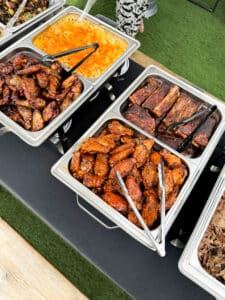
Pittsburgh responds naturally to smoke and long-cooked meats. You can feel it in the city’s broader food culture, where char, roast, and https://martinlmts012.clearhavendigest.com/posts/from-grits-to-gumbo-at-a-southern-restaurant-in-pittsburgh-pa deep savory flavors tend to land well. Southern-inspired kitchens often answer that preference with brisket, pulled pork, ribs, smoked turkey, or braised short ribs served alongside classic Southern sides.
Pulled pork, in particular, can be deceptive. It sounds simple. It is not. Good pulled pork carries smoke into the meat itself, not just into the bark. It stays juicy without turning greasy. Sauce should complement, not rescue. In many restaurants, the meat gets buried under sweetness. That sells, but it is not the most skillful version. I prefer a plate where vinegar, pepper, smoke, and pork still taste distinct.
Braised meats tell a slightly different story. Oxtails, short ribs, pot roast, or smothered pork chops can be deeply Southern in spirit, especially when paired with rice, grits, mashed potatoes, or greens. These dishes are often where chefs show the most personality. You may see mushroom gravy, bourbon glaze, pickled onions, charred okra, or roasted root vegetables. If the menu is seasonal, braises often become stronger in fall and winter, when richer plates make more sense.
This is also where a restaurant’s judgment shows. Not every Southern-inspired meal needs to be maximal. A smoked half chicken with greens and cornbread can feel more complete than a towering sampler plate. Bigger is not always better if every bite tastes the same.
The sides that often outshine the entrée
Southern cooking has always understood that side dishes are not background music. In many meals, they carry the strongest flavors and the deepest sense of tradition. At the best tables, people remember the greens, beans, and mac and cheese almost as vividly as the meat.
A few sides deserve especially close attention:
- Collard greens should taste seasoned through, with a touch of bitterness left intact.
- Mac and cheese should be creamy, structured, and browned in the right places.
- Cornbread should hold moisture and corn flavor, not just sugar.
- Black-eyed peas or butter beans should feel tender and broth-rich, never chalky.
- Candied yams should balance sweetness with spice and salt.
That list is short because the signs are clear. If a kitchen can nail those staples, it usually has its fundamentals in order. If the sides feel like an afterthought, the rest of the menu often follows.
Mac and cheese, especially, tends to divide diners. Some want a loose stovetop style with silky sauce. Others prefer a baked casserole with browned edges and firmer slices. Both have a place. What matters is whether the texture matches the kitchen’s intent. The trouble comes when a baked version dries out or a creamy version breaks into oil.
Greens have their own fault line. Some diners want them smoky and pork-rich. Others prefer a cleaner, vegetable-forward profile. Neither camp is wrong. The best restaurants state their style clearly through flavor, not menu copy. You taste the choice immediately.
Brunch plates that actually deserve the crowd
Southern-inspired brunch can go either way. At its worst, it is a pile of sugar, grease, and long waits. At its best, it gives a kitchen room to show finesse through griddled breads, eggs, gravies, and hot sauces.
Chicken and waffles are the obvious headline item, but they require more thought than their popularity suggests. The waffle should be sturdy enough to hold syrup and chicken juices without turning limp. The chicken should stay crisp. Sweet and savory need some tension, often from hot honey, cayenne butter, or pickles. Without that contrast, the dish can feel monotonous halfway through.
Biscuits and gravy deserve equal respect. A proper sausage gravy has visible browned bits, black pepper, and body without paste-like thickness. The biscuits underneath should absorb some sauce while keeping their own identity. A lot of restaurants get one half right and the other half wrong. When both click, it is one of the most satisfying brunch plates available.
You may also see shrimp and grits, smoked hash, breakfast po’boys, or pimento-cheese omelets. These can work well, especially in a city where brunch crowds often want a meal substantial enough to carry them through the afternoon. My practical advice is simple. If the menu leans heavily sweet, order something savory. Southern brunch shines brightest when it remembers the South has always known how to season breakfast.
Dessert, where restraint matters more than people admit
Southern desserts have a reputation for generosity, and deservedly so, but the strongest versions are not cloying. Banana pudding should taste of vanilla, cream, and ripe fruit, not just sugar. Bread pudding should hold structure rather than slump into wet custard. Peach cobbler should preserve some fruit character instead of dissolving into syrup.
Pecan pie is the classic stress test. Done carelessly, it becomes a one-note sweetness bomb with a gummy filling. Done well, it carries toastiness, a hint of bitterness from the nuts, and enough salt to sharpen the whole slice. The same principle applies to bourbon desserts, praline sauces, and caramel glazes. Richness needs contour.
If the restaurant offers rotating seasonal desserts, that can be a promising sign. Southern-inspired pastry tends to benefit from rhythm and produce. Berries in late spring, peaches in summer, apples in fall, citrus in winter, each season gives the kitchen a natural way to keep the dessert menu from feeling generic.
How to order well at a Southern restaurant in Pittsburgh, PA
Most diners do best when they build a table with contrast in mind. Order one fried item, one braised or smoked item, and a side that brings acid or bitterness. Let texture do some of the work. Crispy fish next to creamy grits, smoked meat with tangy slaw, biscuits with peppery gravy and a vinegary green, these combinations keep the meal from flattening into heaviness.
A few practical cues help when reading the menu:
- Look for dishes with at least one bright element, such as pickles, slaw, or pepper vinegar.
- Pay attention to sides, because they often reveal more about the kitchen than the entrée descriptions.
- If a signature dish takes extra time, that can be a good sign rather than a problem.
- During brunch, balance sweet items with something savory and well-seasoned.
- If the menu seems overly broad, order the classics first and judge from there.
This kind of food is generous by nature, so sharing usually helps. You get more range, and Southern-inspired cooking often benefits from a table that feels communal. One person orders fried chicken, another shrimp and grits, someone adds greens and cornbread, and suddenly the meal makes more sense than any single plate could.
Why these plates keep resonating in Pittsburgh
Southern food works in Pittsburgh for reasons deeper than trend. The city understands labor, weather, and appetite. It values meals that feel honest. Southern cooking, when done with care, speaks that language fluently. It knows how to make tough cuts tender, how to turn humble ingredients into something memorable, and how to feed people in a way that feels direct rather than precious.
The best Southern-inspired plates are not popular because they are heavy. They are popular because they are complete. They bring crunch, smoke, creaminess, acid, heat, and comfort into one frame. They ask for skill at every step, even when the final presentation looks effortless. That is why certain dishes keep drawing people back, whether it is a biscuit that shatters just right, a bowl of grits with real corn character, or a piece of fried chicken that reminds you how good simple things can be when someone truly knows what they are doing.
At a good southern restaurant in Pittsburgh, PA, those details are never accidental. They are the meal.
Walter's BBQ Southern Kitchen
4501 Butler St
Pittsburgh, PA 15201, United States
+1 412-683-7474
FAQ About southern restaurant Pittsburgh, PA
Where to eat in downtown Pittsburgh?
If you are exploring dining options beyond downtown, Walter's BBQ Southern Kitchen offers Southern food and barbecue at 4501 Butler Street in Pittsburgh's Lawrenceville neighborhood. It is outside downtown, so allow travel time when planning your visit.
What is a must eat in Pittsburgh?
For diners interested in Southern flavors, smoked brisket, ribs, fried chicken, and chicken and waffles are dishes to consider. Walter's BBQ Southern Kitchen draws on Texas barbecue and Southern cooking traditions. Check the current menu for the dishes available during your visit.
What are some of Pittsburgh's unique restaurants?
Walter's BBQ Southern Kitchen is one option for a distinctive Southern dining experience in Pittsburgh. Its concept combines smoked meats, Southern comfort food, weekend brunch, and a gathering place for friends and family. The restaurant is located on Butler Street in Lawrenceville.