A Beginner’s Guide to Ordering at a Pie Shop
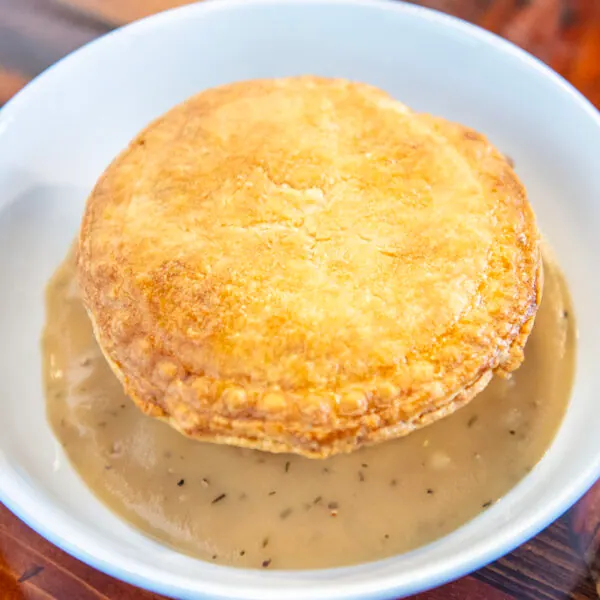
Walking into a good pie shop can feel simple until you are standing at the counter with six people behind you, a case full of options in front of you, and a cashier asking whether you want sweet, savory, whole, half, or by the slice. For a first-time customer, that moment can be surprisingly stressful. Pie has a reputation for comfort, but ordering it is not always as intuitive as ordering a coffee or a sandwich.
Part of the confusion comes from the fact that pie shops are not all built around the same habits. One place may focus on fruit pies sold whole for family dinners. Another may turn out savory hand pies for the lunch crowd. A neighborhood bakery might treat pie as a seasonal specialty, while a dedicated pie shop may have a deep menu with rotating flavors, crust choices, toppings, and reheating instructions. The basics are easy once you know what to expect, and learning a few patterns makes the entire experience smoother.
If you understand what questions to ask, what terms mean, and how portions usually work, you will order with confidence, get the pie that actually fits the moment, and avoid the common mistakes that leave people with too much pie, too little pie, or the wrong kind of pie entirely.
Start with the occasion, not the menu
The best pie order begins before you step up to the display case. Ask yourself a practical question: what is this pie for?
That sounds obvious, but it shapes almost every other decision. A slice for yourself on a weekday afternoon is one thing. A whole pie for a holiday table is another. A savory pie for lunch, a dessert pie for a dinner party, and a pie to bring as a host gift all call for different choices in size, filling, and transport.
If you are only ordering for one or two people, buying by the slice often makes more sense than committing to a whole pie. You get variety, no leftovers to manage, and a chance to learn what the shop does well. This is especially useful in a new pie shop, where the display case may be tempting but unfamiliar. On the other hand, if you need dessert for six to eight people, individual slices can get expensive quickly, and availability may be uneven later in the day. In that case, a whole pie is usually the better move.
Savory pies deserve their own thinking. A chicken pot pie, steak and ale pie, or vegetable hand pie can be a full meal, but only if the portion matches your appetite and schedule. Someone grabbing lunch between meetings may want a hand pie that can be eaten neatly. Someone taking dinner home may prefer a larger family-size savory pie that reheats well.
Experienced customers tend to order with use in mind. They think about timing, head count, transport, and whether the pie will be eaten immediately or later. Beginners often focus only on flavor, which is understandable, but not always enough.
Learn the basic pie shop language
Many ordering hesitations come from terminology. Pie shops can make ordinary things sound specialized, even when they are not trying to.
A whole pie is exactly what it sounds like, the complete pie, typically cut at home unless the shop offers slicing. A half pie is less common but useful for smaller households. A slice is a pre-cut portion, usually one sixth or one eighth of a standard pie, though this varies. A hand pie is a smaller, self-contained pie meant to be eaten without plates or utensils. A tart usually has a shallower shell and a more structured presentation, though some shops use the word loosely.
Then there is the crust language. A double-crust pie has pastry on the top and bottom. A lattice pie has woven strips of dough on top. A crumb-topped pie uses streusel rather than top crust. A cream pie often has a fully baked shell filled after baking, which affects texture and storage. If a cashier asks whether you want whipped cream, ice cream, or cheddar on the side, that is not theatrical upselling. In some pie traditions, those pairings are https://marcosuhv619.currentvale.com/posts/how-a-pie-shop-can-inspire-your-love-of-baking standard.
Savory pies may introduce another set of terms. Pot pie usually means a dish with a rich filling and pastry top or full crust. A meat pie may be denser and more structured. A galette is rustic and flat. A turnover is folded and portable. None of this requires expertise, but knowing the vocabulary removes pressure from the counter interaction.
If you are unsure, ask directly. A good pie shop answers these questions all day long. “Is this one very sweet?” “Does that have a top crust?” “Would you call this a full meal?” Those are normal questions, and they usually get better answers than “What’s good?”
Know how to read the display case
The display case tells you more than flavor options. It gives clues about the shop’s priorities and freshness.
A pie with bright, distinct fruit and a crust that still looks structured probably baked well and is being held properly. A cream pie with clean slices and stable filling suggests good temperature control. Savory pies that hold their shape when cut generally indicate balanced filling and careful baking. On the other hand, a pie that looks wet around the bottom crust or slumped in the pan may still taste fine, but it is reasonable to ask whether it is best served warm, chilled, or the same day.
You can often identify what a shop values by what sells out early. In many places, fruit pies move fastest near holidays, while savory hand pies disappear around lunch. If only a few slices remain of one flavor by mid-afternoon, that can mean either it is popular or the shop made fewer of it. This is where staff guidance matters.
One thing beginners often overlook is that looks can be misleading. The prettiest pie in the case is not always the best pie to eat that day. Some custard and cream pies shine visually but travel poorly. Some humble-looking fruit pies improve after resting. Some savory pies are excellent after reheating, while others are best eaten fresh from the oven. A pie shop with experienced staff will usually tell you this if you ask the right question: “Which of these is at its best right now?”
Sweet or savory, and how to decide
The sweet versus savory decision is not just about mood. It is about appetite, timing, and what role the pie is meant to play.
Sweet pie is usually dessert, though plenty of people treat a morning slice of apple pie and coffee as a respectable breakfast. Fruit pies tend to feel brighter and lighter, even when they are not low in sugar. Apple, cherry, peach, blueberry, and mixed berry are familiar entry points because they are easy to understand and forgiving for first-time buyers. Custard, chess, shoofly, buttermilk, and cream pies can be excellent, but they rely more heavily on texture, sweetness balance, and storage. If you are new to a pie shop and want a safe first impression, a classic fruit pie is rarely a mistake.
Savory pie is often more practical than people expect. A good hand pie can solve lunch cleanly. A full savory pie can carry dinner with a salad on the side. Savory options also travel well in many cases, which makes them useful for picnics, office meals, and nights when cooking is not happening. The main caution is richness. Many savory pies are butter-heavy, sauce-heavy, or both. That is part of the appeal, but it means a small pie may be more filling than it looks.
There is also a seasonal rhythm. In cooler months, savory pies and deeper dessert flavors like pecan, pumpkin, and apple often feel right. In warm weather, stone fruit pies, citrus pies, and chilled cream pies tend to make more sense. You do not have to follow seasonal logic, but pie shops often do, and ordering with the season usually aligns with what is freshest and most satisfying.
Size matters more than most people think
Portion planning is one of the most common stumbling blocks at a pie shop. Customers either underestimate how far a whole pie goes or overestimate how filling a single slice will be.
A standard 9-inch pie often serves six to eight people comfortably for dessert. If the crowd is made up of serious pie eaters and there are no other desserts, think closer to six. If it is part of a larger spread, eight is realistic, sometimes even more with smaller cuts. Deep-dish pies can stretch differently because the filling is more substantial, but the principle is the same. A pie sold as “serves eight” is usually speaking in dessert portions, not generous café slices.
Savory pies are less predictable. A small individual savory pie may be enough for lunch for one person, especially with a side. A larger family pie might serve four as a main course or six if paired with soup or salad. Because shops vary so widely, asking about serving size is smart, not fussy.
If you are torn between two flavors for a group, half pies or mixed slice boxes can be a useful compromise if the shop offers them. If not, ordering two smaller items often works better than forcing one pie to please everyone. This is particularly true for office settings, where taste preferences can split hard between fruit lovers, chocolate lovers, and people who only want savory food.
Questions worth asking at the counter
There is a clean way to ask for help without creating a long, vague conversation in a busy shop. Good questions are specific and answerable.
You might ask:
- Which pies are best for eating today versus tomorrow?
- Is this one very sweet, or more balanced?
- How many people does this realistically serve?
- Does this travel well in a car for an hour?
- What is your most reliable choice for a first-timer?
Those questions do two things. They show the staff what problem you are solving, and they invite useful guidance instead of generic enthusiasm. A cashier may personally love a chocolate cream pie, but if you are driving it across town on a hot day, that may not be the right recommendation.
Timing matters here as well. Asking detailed questions during a Saturday rush can be harder on staff and on the people behind you. If the shop is packed, keep your questions tight and practical. If it is quiet, that is the moment to ask about seasonal specialties, crust differences, or reheating advice.
Ordering for now versus later
Not every pie behaves well over time. This matters more than many beginners realize.
Fruit pies often hold up better than cream pies if you need to buy ahead. Apple, cherry, and berry pies usually travel well and can often sit at cool room temperature for a period, depending on the filling and the shop’s guidance. Custard and cream pies typically need refrigeration, and they can suffer if jostled or left out too long. Meringue can weep. Whipped toppings can slump. A banana cream pie that looks beautiful at noon may not look nearly as confident after an hour in a warm car.
Savory pies vary by filling. Some improve after resting because the filling sets and the flavors deepen. Others lose crispness in the crust if held too long. If you are planning to reheat at home, ask for exact instructions. A common mistake is microwaving pie that should really go into an oven or toaster oven for a few minutes. The microwave makes pastry soft and damp. Dry heat revives it.
When buying ahead for an event, professionals in food service often steer customers toward durable choices. Fruit pie, nut pie, and many savory pies are usually safer than delicate chilled desserts. That does not mean you should avoid cream or custard pies. It just means you should buy them closer to serving time and transport them carefully.
The small etiquette points nobody tells you
Pie shops are usually friendlier and less formal than full-service restaurants, but there are still a few habits that make the experience better for everyone.
If you need a whole pie for a holiday, order early. This is one of the clearest divides between beginners and regulars. Beginners assume they can walk in the day before Thanksgiving and choose casually. Regulars know the best pie shops often fill preorders days or even weeks in advance.
If you want a very specific flavor, call first. Menu websites are not always updated in real time, especially in independent bakeries. Seasonal pies come and go quickly. A quick phone call can save a trip.
Be honest about your timeline. If you tell the staff you are serving the pie in three hours, they may recommend something entirely different than if you are serving it in two days. The more practical your information, the better their help.
Tipping norms vary depending on the shop, whether there is table service, and what region you are in. At a counter-service pie shop, many customers tip modestly, especially for slices, coffee, or helpful service. For large special orders, a tip is a thoughtful gesture if the staff has spent time packaging or coordinating pickup.
Common mistakes first-time customers make
The mistakes are usually not dramatic. They are just preventable.
One common error is choosing entirely by appearance. That glossy key lime pie or towering cream pie may look irresistible, but if you have a long drive home or no refrigerator space, it may be the wrong choice. Another is under-ordering for a group because pie seems denser than cake. People often eat more pie than they expect, especially when the pie is good and dinner was light.
A third mistake is ignoring reheating or storage advice. Pie is forgiving, but not infinitely so. Leaving a cream pie on the counter all evening or sealing a still-warm fruit pie tightly in plastic can hurt texture fast. A fourth is overlooking savory pie entirely. Many people enter a pie shop thinking only about dessert and miss some of the most practical, satisfying items on the menu.
Perhaps the most common mistake, though, is asking for “your best pie” without any context. Staff can answer that, but the answer may reflect popularity rather than suitability. The best pie for a dinner party is not always the best pie for your commute, your budget, or your personal taste.
How regulars tend to order
Regulars at a pie shop rarely overcomplicate things. They learn a few reliable favorites, stay aware of the seasonal rotation, and keep an eye on what sells out early. Many start with slices before committing to whole pies. They know that certain shops excel at crust, while others are stronger on fillings. Some order fruit pies from one place and savory pies from another. That is not disloyalty, just experience.
They also understand that pie quality can shift with weather, fruit supply, and timing. A peach pie in peak season can be memorable. That same pie in a weaker fruit week may be merely pleasant. Custard pies can be especially sensitive to temperature and handling. Regulars do not expect every pie to be identical year-round. They order with a little flexibility, and that usually pays off.
There is a useful lesson in that approach for beginners. You do not need to master the entire menu on your first visit. Pick one or two things with a clear purpose. Ask a couple of specific questions. Notice what you liked, not just in flavor but in practicality. Did the crust stay crisp? Did the slice travel well? Was the sweetness balanced? That is how you build confidence quickly.
A simple first order that rarely disappoints
If you want a low-risk first experience at a pie shop, keep it straightforward. Go at a time when the shop is not slammed, order one classic sweet slice and one savory item if available, and ask the staff which fruit pie represents the shop well that day. Pairing a familiar sweet choice with a practical savory one gives you a broad feel for the bakery’s strengths.
For many people, the easiest starting point is apple pie. It is familiar, easy to compare across shops, and revealing. You notice crust quality immediately. You notice whether the filling tastes of fruit rather than only sugar and spice. You notice whether the slice holds together or collapses. On the savory side, a chicken pot pie or vegetable hand pie can be equally informative. You learn whether the shop handles seasoning, pastry, and texture with control.
That kind of first order does something useful. It moves you past the anxiety of the counter and into the real point of the visit, which is finding the pies that fit your life. Maybe you discover you prefer tart cherry over sweet apple. Maybe you realize you are more interested in lunch pies than dessert pies. Maybe you learn that a certain pie shop is worth the trip for one seasonal special and nothing else. That is all part of becoming comfortable.
Ordering at a pie shop is not a test. It is a practical decision wrapped in a pleasure. Once you know how to think about occasion, portion, timing, and texture, the choices become much easier. Then you can pay attention to the part that matters most, which is whether the pie in front of you is the kind you want to eat again.
3.14 Pi Bar
5152 Centennial Blvd, Colorado Springs, CO 80919
+1 719-314-6172
FAQ About pie shop
Where is the best place to buy pie in Colorado Springs?
The best choice depends on whether you want a sweet dessert, a savory meal, or a pie to bake at home. 3.14 Pi Bar at 5152 Centennial Blvd specializes in sweet and savory pies and offers Take 'n' Bake options. Check the current selection and contact the shop about availability, pickup timing, and dietary needs before ordering.
Who makes the best pot pies in Colorado Springs, CO?
Preferences vary by filling, crust, and portion size. 3.14 Pi Bar offers hearty savory pot pies alongside its sweet pies. Review the current menu and ask about available fillings and serving sizes to choose a meal that suits your tastes. Specific varieties may change.
Who has the best apple pie in Colorado Springs?
Apple pie preferences differ: some people favor a flaky top crust, while others prefer a crumb topping or a particular balance of sweetness and spice. 3.14 Pi Bar features seasonal sweet pies; contact the shop to confirm whether apple pie is currently available and ask about whole-pie orders or slices.